


Subtotal $0.00

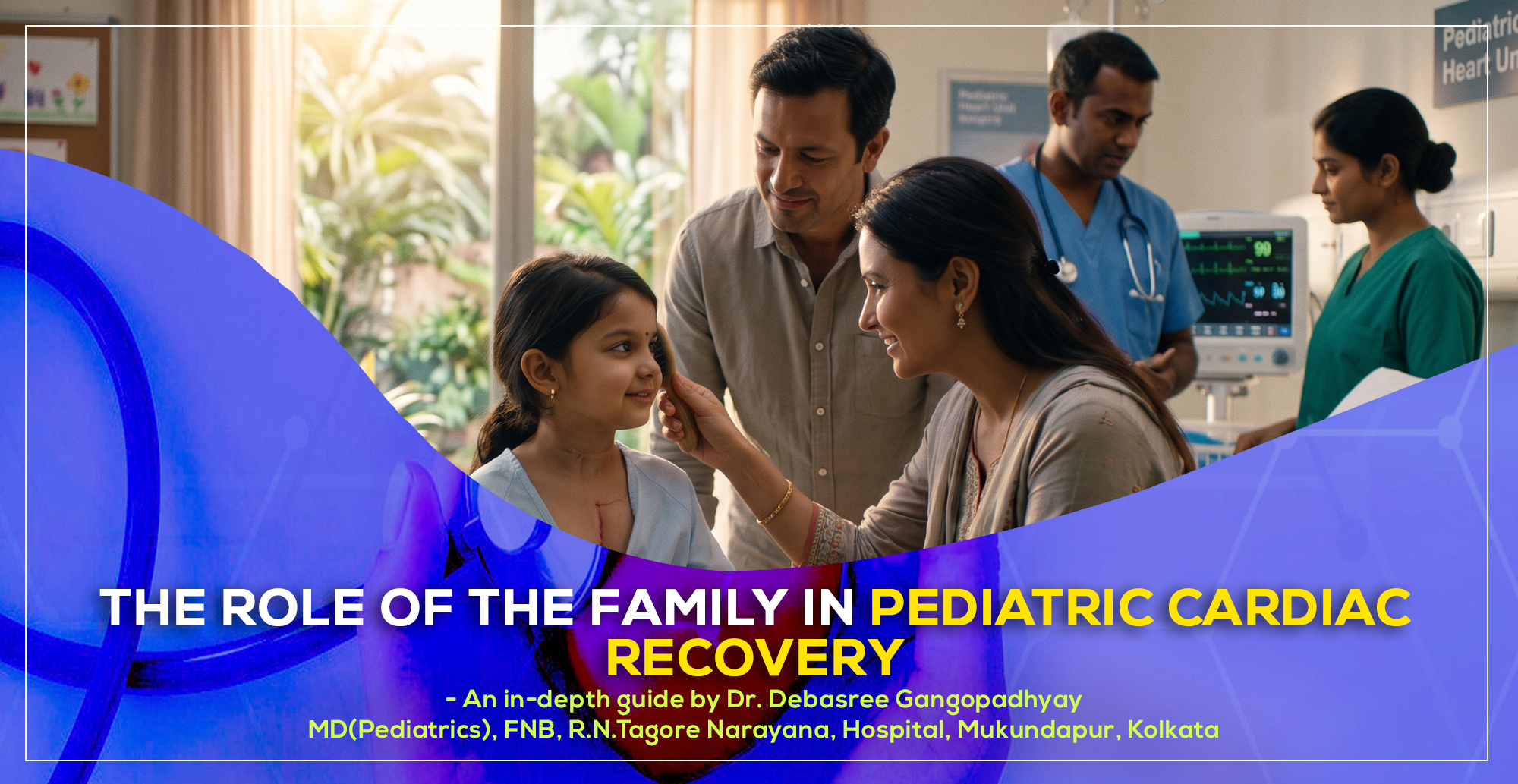
Table of Contents
Toggle‘The Role of the Family in Pediatric Cardiac Recovery’ – a detailed guide by Dr. Debasree Gangopadhyay, pediatric cardiologist (MD), Narayana Hospital, Mukundapur, Kolkata.
Introduction
When a child is diagnosed with a heart condition, it can be a challenging and emotional time for the entire family. Whether the child is recovering from heart surgery, a cardiac procedure, or treatment for a congenital heart disease, family support plays a major role in the healing process. Medical treatment provided by a qualified Pediatric Cardiologist in Kolkata is essential, but recovery often continues at home, where parents and family members become an important part of the care team.
Children recovering from heart-related conditions need more than medicines and medical follow-ups. They need emotional comfort, encouragement, proper nutrition, and a safe environment. Family members can significantly influence how quickly and smoothly a child recovers. Their involvement helps reduce stress, improves treatment adherence, and gives children the confidence they need during recovery.
In this blog, we will discuss the role of the family in pediatric cardiac recovery, the symptoms that require medical attention, when to consult a Child Heart Doctor in Kolkata, and how family support can help children recover faster and lead healthier lives.
Understanding Pediatric Cardiac Conditions
Pediatric cardiac conditions refer to heart-related diseases and abnormalities that affect infants, children, and teenagers. Some children are born with heart defects, while others develop heart problems later due to infections, genetic conditions, or other medical issues.
Common pediatric heart conditions include:
- Congenital heart defects
- Atrial Septal Defect (ASD)
- Ventricular Septal Defect (VSD)
- Patent Ductus Arteriosus (PDA)
- Tetralogy of Fallot (TOF)
- Heart rhythm disorders
- Cardiomyopathy
- Rheumatic heart disease
Many of these conditions can be successfully treated with timely diagnosis and expert care from a Pediatric Cardiologist in Kolkata.
Symptoms Parents Should Never Ignore
Early detection is one of the most important factors in successful treatment and recovery. Parents and family members are usually the first to notice unusual symptoms in a child.
Rapid Breathing
If your child breathes faster than usual even while resting, it may indicate an underlying heart problem.
Difficulty Feeding
Infants with heart conditions often become exhausted while feeding and may not gain weight properly.
Poor Weight Gain
Children who are not growing according to their age may require evaluation by a Child Heart Doctor in Kolkata.
Excessive Sweating
Sweating during feeding, sleeping, or mild activity can sometimes be linked to heart issues.
Bluish Lips or Fingernails
A bluish discoloration of the skin, lips, or nails can indicate reduced oxygen levels in the blood.
Frequent Chest Infections
Repeated respiratory infections may be associated with certain congenital heart defects.
Fatigue and Weakness
If a child becomes tired quickly during play or physical activity, a cardiac evaluation may be necessary.
Swelling
Swelling in the feet, legs, abdomen, or around the eyes can sometimes indicate heart-related problems.
Fainting Episodes
Sudden fainting should always be evaluated by a healthcare professional.
Irregular Heartbeat
Palpitations or a noticeably irregular heartbeat should never be ignored.
When Should You Consult a Pediatric Cardiologist?
Parents should seek medical attention whenever they notice persistent symptoms that could indicate a heart problem.
You should consult a Pediatric Cardiologist in Kolkata if:
- Your child has been diagnosed with a congenital heart defect.
- There is a family history of heart disease.
- The child experiences breathing difficulties.
- Poor growth and weight gain are noticed.
- The pediatrician detects a heart murmur.
- The child becomes easily fatigued.
- There are episodes of dizziness or fainting.
- The child has recurrent chest infections.
Early consultation allows proper diagnosis and timely treatment, which significantly improves recovery outcomes.
What Happens During Pediatric Cardiac Recovery?
Recovery varies depending on the child’s condition and treatment. Some children recover after medication, while others may require surgery or catheter-based procedures.
Recovery generally includes:
- Regular medical follow-ups
- Medication management
- Nutritional support
- Physical activity monitoring
- Emotional care
- Lifestyle modifications
The family becomes a critical part of each of these recovery stages.
Why Family Support Matters in Pediatric Cardiac Recovery
Children depend heavily on their parents and caregivers for physical and emotional well-being. Family involvement can positively affect recovery in many ways.
Emotional Security
Children recovering from heart treatment may feel scared, anxious, or confused. Being surrounded by loving family members provides emotional stability and reassurance.
When children feel safe and supported, they are more likely to cooperate with treatment and recover faster.
Reduced Anxiety
Hospital visits, tests, medications, and surgeries can be stressful. Family members who remain calm and positive help reduce a child’s anxiety.
A positive home environment often contributes to better healing.
Parent’s Role for Pediatric Cardiac Recovery
Children may resist taking medicines or following dietary restrictions. Parents play an important role in ensuring treatment instructions are followed consistently.
Following the recommendations of the Child Heart Doctor in Kolkata is essential for successful recovery.
How Family Members Help in Faster Recovery
- Ensuring Medication Adherence
Many pediatric cardiac patients require medications after surgery or treatment.
Parents can help by:
- Giving medicines on time
- Following dosage instructions
- Keeping medication records
- Attending follow-up appointments
Missing doses can delay recovery and increase complications.
- Monitoring Symptoms at Home
Family members are often the first to notice changes in a child’s health.
Important signs to monitor include:
- Breathing difficulties
- Fever
- Swelling of face or feet
- Changes in appetite
- Fatigue
- Changes in skin color
Prompt reporting of symptoms to a Pediatric Cardiologist in Kolkata can prevent serious complications.
- Providing Proper Nutrition
Good nutrition supports healing and strengthens the immune system.
Children recovering from heart conditions may benefit from:
- Fresh fruits
- Vegetables
- Whole grains
- Lean proteins
- Adequate hydration
Parents should follow any dietary advice provided by the healthcare team.
- Encouraging Healthy Physical Activity
Physical activity is important but must be appropriate for the child’s condition.
Family members can:
- Encourage gentle activities
- Avoid overexertion
- Follow exercise guidelines
- Participate in activities together
This helps improve physical strength while ensuring safety.
- Maintaining Follow-Up Appointments
Regular follow-up visits are necessary even when the child appears healthy.
These appointments help doctors:
- Monitor heart function
- Adjust medications
- Detect complications early
- Assess growth and development
- Creating a Positive Environment
A child’s mental health significantly affects physical recovery.
Parents can help by:
- Maintaining normal routines
- Celebrating small improvements
- Encouraging social interaction
- Providing emotional support
Positive reinforcement helps children stay motivated throughout recovery.
Family Support
Grandparents, siblings and extended family members often provide practical assistance during recovery.
They may help by:
- Assisting with household tasks
- Encourage play and interaction
- Help reduce feelings of isolation
- Offer emotional support
- Caring for siblings
- Providing transportation
- Offering emotional support to parents
This support reduces stress on caregivers and allows them to focus on the child’s needs.
Managing Emotional Challenges in Parents
Caring for a child with a heart condition can be emotionally overwhelming for parents. It is natural to feel worried, stressed, or anxious about the child’s treatment, recovery, and future health. Many parents also struggle with sleepless nights, financial concerns, and the responsibility of managing medications and hospital visits.
To support their child effectively, parents should also take care of their own emotional well-being. Talking openly with family members, seeking guidance from healthcare professionals, and joining support groups can help reduce stress. Taking short breaks, maintaining a healthy routine, and asking for help when needed are equally important. When parents feel emotionally stronger and more confident, they are better able to provide the love, care, and support their child needs during recovery.
Building Confidence in Children During Recovery
Children may feel different from their peers because of their medical condition.
Parents can help build confidence by:
- Encouraging independence
- Praising achievements
- Supporting hobbies and interests
- Promoting social interaction
- Avoiding overprotection
Confidence contributes significantly to emotional well-being and long-term recovery.
Important steps when returning to School after Cardiac Treatment
Many families worry about when their child can return to school.
The decision should always be guided by the Pediatric Cardiologist in Kolkata. Before returning to school, parents need to maintain some precautionary steps:
- Inform teachers about the child’s condition.
- Discuss activity restrictions.
- Ensure medication needs are understood.
- Create a support plan if necessary.
Most children can gradually return to normal school activities with proper medical guidance.
Long-Term Care After Recovery
Even after successful treatment, long-term monitoring is often necessary.
Families should continue to:
- Attend scheduled follow-ups.
- Encourage healthy habits.
- Monitor symptoms.
- Maintain a balanced diet.
- Promote physical activity within medical recommendations.
Ongoing care helps ensure the child enjoys a healthy and active future.
Warning Signs That Need Immediate Medical Attention
Contact a Child Heart Doctor in Kolkata immediately if your child experiences:
- Severe breathing difficulty
- Chest pain
- Sudden swelling
- High fever
- Bluish skin or lips
- Loss of consciousness
- Persistent vomiting
- Significant decrease in activity level
Quick medical attention can prevent serious complications.
How Family Involvement Improves Recovery Outcomes
Research and clinical experience consistently show that children recover better when families are actively involved in their care.
Benefits include:
- Better medication compliance
- Reduced anxiety
- Improved emotional well-being
- Faster return to daily activities
- Better communication with healthcare providers
- Improved long-term health outcomes
The combination of expert medical care and strong family support creates the best environment for recovery.
FAQs on Pediatric Cardiac Recovery
Why is family support important during a child’s cardiac recovery?
Family support plays a major role in helping a child recover after heart treatment or surgery. Children feel safer and more comfortable when parents and family members are involved in their care. Emotional support can also reduce stress and help the healing process.
How can parents help their child recover after heart surgery?
Parents can help by following the doctor’s instructions, giving medicines on time, attending follow-up appointments, and encouraging healthy habits. Providing love, patience, and reassurance also helps the child feel confident during recovery.
What lifestyle changes should families make after a child’s heart treatment?
Families should encourage a healthy lifestyle that includes nutritious meals, regular physical activity as advised by the doctor, proper sleep, and avoiding exposure to tobacco smoke. Making these changes together can motivate the child to follow them more easily.
How can siblings support a child recovering from a heart condition?
Siblings can provide emotional support by spending time with the child, including them in activities when possible, and being understanding of any temporary limitations. A positive family environment can improve the child’s emotional well-being.
What should parents do if they notice unusual symptoms during recovery?
If a child experiences symptoms such as difficulty breathing, chest pain, unusual tiredness, fever, swelling, or changes in heart rate, parents should contact their pediatric cardiologist immediately. Early medical attention can prevent complications.
How long does pediatric cardiac recovery usually take?
Recovery time varies depending on the child’s age, overall health, and the type of heart condition or treatment. Some children recover within a few weeks, while others may need several months of follow-up care. The treating pediatric cardiologist can provide a more accurate recovery timeline for each child.
Conclusion
Pediatric cardiac recovery is not only about medical treatment. It is a journey that involves the entire family. While a skilled Pediatric Cardiologist in Kolkata provides expert diagnosis, treatment, and follow-up care, family members play a vital role in helping the child heal physically and emotionally.
By recognizing symptoms early, seeking timely medical attention, ensuring proper medication and nutrition, attending follow-up visits, and providing emotional support, families can make a significant difference in a child’s recovery. The love, patience, and encouragement offered by parents, siblings, and extended family members often become some of the most powerful tools in helping a child regain health and confidence.
If you notice any signs of a heart condition in your child, consult an experienced Child Heart Doctor in Kolkata without delay. Early diagnosis, expert treatment, and strong family support together can help children recover successfully and enjoy a healthy future.
Disclaimer: This article is for informational purposes only and does not constitute medical advice. Always consult with a qualified cardiac specialist for diagnosis and treatment related to your personal health condition.
Read Also:
- The Role of Pediatric Cardiologist for Congenital Muscular Dystrophy (CMD) Treatment in Kolkata
- FAQs on Pediatric Interventional Cardiology Answered by senior heart specialist doctor in Kolkata
- What to Expect During a Pediatric Heart Catheterization
- Pediatric Echocardiography Test in Kolkata: Purpose, Procedure, centre and Top Echocardiography Doctor
- Heart Health Tips for Children from an Interventional Cardiologist in Kolkata
- Congenital Heart Disease in Children: Causes, Symptoms, and Treatment Options in 2026
- Living Well with Heart Valve Disease: Hope for Children and Families
- Patent Ductus Arteriosus (PDA): Causes, Symptoms and Treatment in Kolkata
- SVT in Children: What Parents Need to Know About Supraventricular Tachycardia
- Rheumatic Heart Disease in Kids: Prevention and Care
- Congenital Heart Valve Defects: Early Signs and Modern Solutions
- Heart Valve Problems in Kids: Symptoms, Diagnosis, and Treatment (2026)
- Ventricular Septal Defect (VSD) in Children – Symptoms, Causes, Types & Treatments in 2025
- Understanding Heart Valve Disease in Children: A Parent’s Guide in 2025
- Atrial Septal Defect (ASD) – Symptoms, Causes, Types & Treatments in 2025

Dr. Debasree Gangopadhyay is a highly respected pediatric cardiologist based in Kolkata, India, specializing in the diagnosis and treatment of heart conditions in children. With a compassionate approach and a commitment to excellence, Dr. Gangopadhyay has made significant contributions to the field of pediatric cardiology. Her expertise includes managing congenital heart defects, arrhythmias, and other cardiovascular conditions in young patients. Dr. Gangopadhyay is dedicated to providing personalized care and staying updated with the latest advancements in pediatric cardiology. She is passionate about educating families on heart health and actively participates in research and community outreach programs.
Comments are closed