


Subtotal $0.00

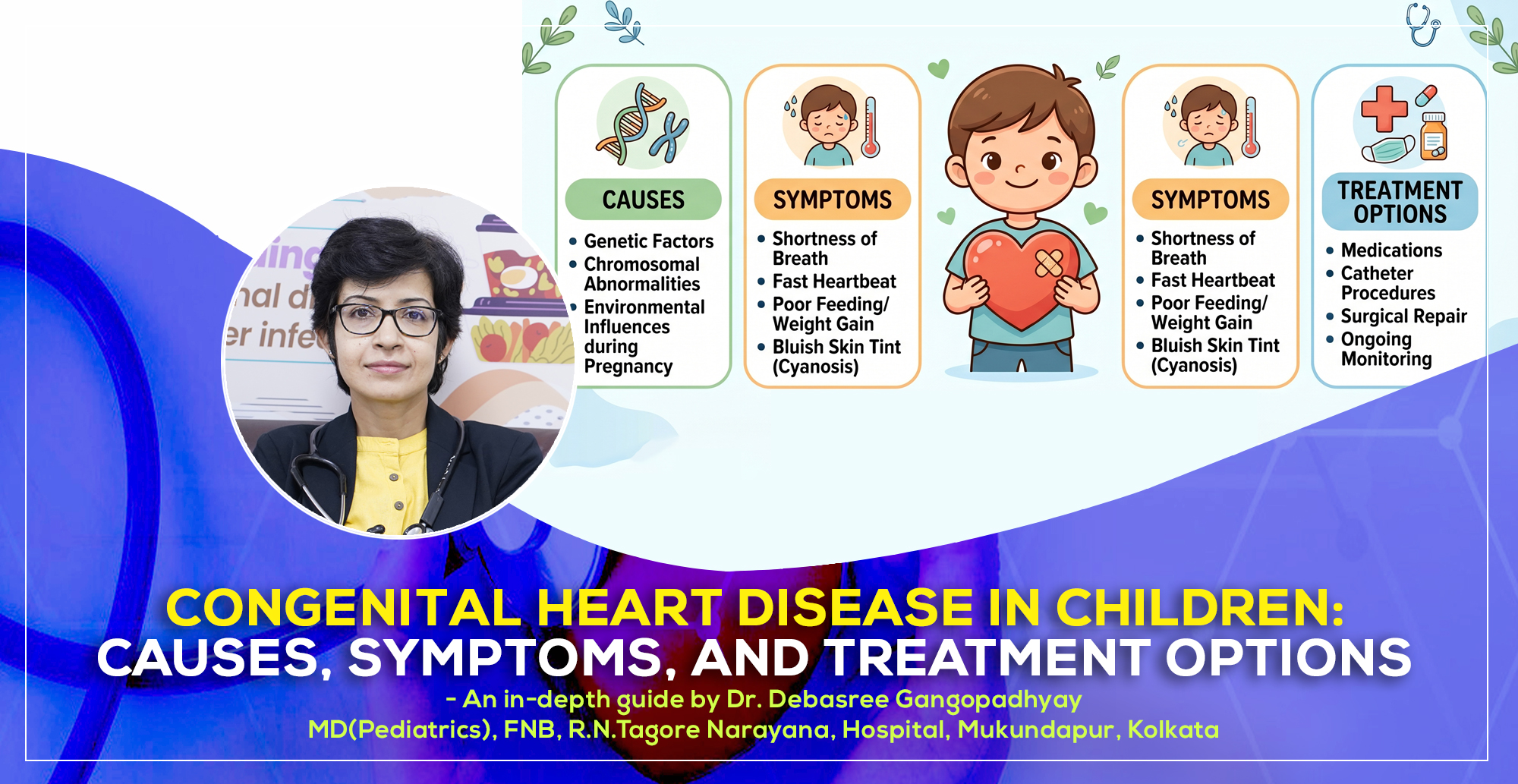
‘Congenital Heart Disease in Children: Causes, Symptoms, and Treatment Options in 2026‘ – A detailed guide by Dr. Debasree Gangopadhyay, pediatric cardiologist (MD), Narayana Hospital, Mukundapur, Kolkata.
Table of Contents
ToggleIntroduction
Congenital Heart Disease (CHD) is one of the most common health conditions seen in children, and it affects the structure and function of the heart from birth. For many parents, hearing this diagnosis can be overwhelming, but with the right knowledge and timely care, children with CHD can lead healthy and active lives. In 2026, medical science has made significant progress in Congenital Heart Disease Treatment in Children, offering safer procedures, better diagnosis, and improved long-term outcomes.
Understanding the causes, early symptoms, and available treatment options is very important for parents and caregivers. From minor defects to complex conditions that require advanced medical care. That is why consulting an experienced Congenital Heart Disease Doctor in Children is essential for accurate diagnosis and proper treatment planning.
Cities like Kolkata have become leading centers for pediatric cardiac care, where highly skilled Pediatric Cardiologist in Kolkata teams provide advanced treatment with compassion and expertise. Early detection, regular follow-ups, and the right medical guidance can make a big difference in a child’s life.
In this blog, we will break down everything you need to know about Congenital Heart Disease in children in a simple and clear way, so you can feel more informed and confident in making the best decisions for your child’s heart health.
Understanding Congenital Heart Disease (CHD)
What is Congenital Heart Disease?
Congenital Heart Disease is a condition where a child is born with a defect in the structure of the heart. These defects may affect the heart walls, valves, or blood vessels.
Some defects are simple and may not need treatment, while others can be complex and require long-term care from a Pediatric Cardiologist in Kolkata.
Types of Congenital Heart Disease
CHD can be broadly divided into two types:
Cyanotic Heart Disease
This type causes low oxygen levels in the blood, making the skin appear bluish. Examples include:
- Tetralogy of Fallot
- Transposition of great arteries
Acyanotic Heart Disease
In this type, oxygen levels are usually normal, but blood flow in the heart is not proper. Examples include:
- Atrial Septal Defect (ASD)
- Ventricular Septal Defect (VSD)
- Patent Ductus Arteriosus (PDA)
A Child Heart Doctor in Kolkata can help identify the exact type through proper diagnosis.
Congenital Heart Disease Causes
Congenital Heart Disease (CHD) means a baby is born with a heart problem. These problems usually develop during pregnancy, when the baby’s heart is forming. In many cases, the exact reason is not known, but doctors and researchers have identified several important causes and risk factors.
If you are looking for guidance from a Congenital Heart Disease Doctor in Children or a Pediatric Cardiologist in Kolkata, understanding the Congenital Heart Disease causes can help in prevention and early detection.
In many cases, the exact cause is unknown. However, some common factors include:
Genetic Factors
- Family history of heart defects
- Chromosomal conditions like Down syndrome
Maternal Health Conditions
- Diabetes during pregnancy
- Viral infections like rubella
Lifestyle Factors
- Smoking or alcohol use during pregnancy
- Certain medications taken without medical advice
Environmental Factors
- Exposure to harmful chemicals
- Poor nutrition during pregnancy
If you are concerned about risks, consulting a Congenital Heart Disease Doctor in Kolkata during pregnancy can be helpful.
Congenital Heart Disease Symptoms
The Congenital Heart Disease symptoms can vary depending on the severity of the condition. Some symptoms appear right after birth, while others may develop later.
Common Symptoms in Newborns
- Rapid breathing
- Poor feeding
- Blue lips or skin (cyanosis)
- Excessive sweating
Symptoms in Infants and Children
- Delayed growth
- Fatigue during physical activity
- Frequent lung infections
- Swelling in legs or abdomen
When to See a Doctor?
If you notice any of these signs, it is important to consult a Child Heart Doctor in Kolkata immediately for proper evaluation.
Diagnosis of Congenital Heart Disease in Children
Early diagnosis plays a key role in effective treatment. Diagnosing Congenital Heart Disease (CHD) in children is a very important step to ensure early treatment and better outcomes. Since heart defects are present from birth, some cases are detected during pregnancy, while others are diagnosed after the baby is born or even later in childhood.
Medical History and Physical Examination
The diagnosis usually begins with a detailed discussion about the child’s health. The doctor will ask about symptoms like breathing difficulty, poor feeding, fatigue, or slow growth. Family history is also important, as some heart conditions can be genetic.
During the physical examination, the doctor listens to the child’s heart using a stethoscope. A heart murmur (an unusual sound) may indicate a possible heart problem. The doctor also checks oxygen levels, pulse rate, and overall growth.
Prenatal Diagnosis (Before Birth)
In many cases, Congenital Heart Disease in Children can be detected before birth through fetal ultrasound or fetal echocardiography. This helps doctors and parents prepare for proper care immediately after delivery.
Diagnostic Tests for CHD
To confirm the diagnosis and understand the severity, several tests may be recommended:
- Echocardiography (Echo Test):
This is the most important test used by a Pediatric Cardiologist in Kolkata. It uses sound waves to create images of the heart and helps identify structural defects. - Electrocardiogram (ECG):
This test records the electrical activity of the heart and helps detect abnormal rhythms. - Chest X-ray:
It shows the size and shape of the heart and can indicate fluid buildup in the lungs. - Pulse Oximetry:
A simple test to measure oxygen levels in the blood. Low oxygen levels may suggest heart problems. - Cardiac MRI or CT Scan:
These advanced imaging tests provide detailed pictures of the heart structure and are useful in complex cases. - Cardiac Catheterization:
In some situations, doctors insert a thin tube into the heart to measure pressure and oxygen levels. It can also be used for treatment in certain cases.
Congenital Heart Disease Treatment in Children
The good news is that modern medicine offers effective Congenital Heart Disease Treatment in Children.
Treatment depends on the type and severity of the defect.
Medications
Some children may only need medicines to
- Improve heart function
- Control blood pressure
- Prevent infections
Interventional Procedures
Minimally invasive procedures can fix certain defects without open surgery. These include:
- Device closure for ASD or VSD
- Balloon valvuloplasty
These are often performed by an experienced Pediatric Cardiologist in Kolkata.
Heart Surgery
In more complex cases, surgery may be required to repair the defect. Types include:
- Open-heart surgery
- Corrective or palliative surgeries
Long-Term Care
Some children need regular follow-ups throughout life. A trusted Congenital Heart Disease Doctor in Kolkata will guide parents on lifestyle and monitoring.
Advanced Care Options in Kolkata
Parents looking for Congenital Heart Disease causes and treatment options in Kolkata have access to advanced healthcare facilities and experienced specialists.
Why Choose Kolkata for Treatment?
- Availability of skilled Child Heart Doctors in Kolkata
- Advanced pediatric cardiac care units
- Affordable treatment compared to other metro cities
- Access to modern diagnostic tools
Many hospitals in the city provide complete care from diagnosis to surgery and recovery.
Importance of Early Treatment
Early treatment can:
- Prevent complications
- Improve growth and development
- Increase survival rates
Delaying treatment may lead to serious issues such as heart failure or lung problems. That’s why consulting a Congenital Heart Disease Doctor in Kolkata at the earliest sign is very important.
Lifestyle Tips for Children with CHD
Children with heart disease can still lead a normal life with proper care.
Simple Tips for Parents:
- Ensure regular doctor visits
- Maintain a healthy diet
- Encourage light physical activity as advised
- Keep vaccinations up to date
- Monitor growth and development
Your Pediatric Cardiologist in Kolkata will provide a customized care plan.
Emotional Support for Families
Caring for a child with CHD can be stressful for parents. Emotional support is equally important.
- Stay informed about the condition
- Join support groups if possible
- Talk openly with your doctor
- Keep a positive environment at home
A good Child Heart Doctor in Kolkata not only treats the child but also guides the family through the journey.
Role of Specialists
A Congenital Heart Disease Doctor in Children or a trained pediatric cardiologist plays a key role in diagnosis. They carefully analyze test results and decide the next steps for treatment.
If you are in West Bengal, consulting an experienced Pediatric Cardiologist in Kolkata can ensure accurate diagnosis and proper care for your child.
Conclusion
Congenital heart disease may sound serious, but with the right care and early diagnosis, children can live healthy and fulfilling lives. Understanding the congenital heart disease symptoms, causes, and treatment options helps parents take timely action.
If you are searching for reliable congenital heart disease treatment in children, consulting an experienced congenital heart disease doctor in Kolkata is the best step forward. With the support of a skilled pediatric cardiologist in Kolkata and proper medical care, your child can have a bright and healthy future. Always remember early detection and expert care make all the difference.
FAQ's on Congenital Heart Disease in Children: Causes, Symptoms, and Treatment Options
What is Congenital Heart Disease (CHD)?
Congenital Heart Disease (CHD) refers to one or more structural abnormalities in the heart that a child is born with. These defects can affect the heart's walls, valves, or blood vessels, which alters the normal flow of blood through the heart.
What causes Congenital Heart Disease in children?
While the exact cause is often unknown, several risk factors can contribute to CHD. These include genetic conditions or chromosomal abnormalities (like Down syndrome), maternal infections during pregnancy (such as Rubella), maternal diabetes, smoking during pregnancy, and the use of certain medications while pregnant.
What are the common symptoms of Congenital Heart Disease?
In newborns, symptoms often include a bluish tint to the skin, lips, or fingernails (cyanosis), rapid breathing, poor feeding, and excessive sleepiness. In older infants and children, symptoms can present as shortness of breath during activity, tiring easily, poor weight gain, fainting, or swelling in the legs, abdomen, or around the eyes.
How is Congenital Heart Disease diagnosed?
CHD can sometimes be diagnosed before birth using a prenatal/fetal echocardiogram. After birth, a pediatric cardiologist diagnoses the condition through physical examinations (like listening for a heart murmur) alongside diagnostic tests such as pulse oximetry, electrocardiograms (ECG), echocardiograms, chest X-rays, and cardiac catheterization.
What are the treatment options for children with Congenital Heart Disease?
Treatment depends entirely on the specific type and severity of the heart defect. Options range from medications to relieve symptoms and improve heart function, to minimally invasive interventional catheterization procedures. For more complex cases, pediatric open-heart surgery and lifelong specialized follow-up care are required.
Disclaimer: This article is for informational purposes only and does not constitute medical advice. Always consult with a qualified cardiac specialist for diagnosis and treatment related to your personal health condition.
Read Also:
- Pediatric Echocardiography Test in Kolkata: Purpose, Procedure, centre and Top Echocardiography Doctor
- Living Well with Heart Valve Disease: Hope for Children and Families
- Patent Ductus Arteriosus (PDA): Causes, Symptoms and Treatment in Kolkata
- SVT in Children: What Parents Need to Know About Supraventricular Tachycardia
- Rheumatic Heart Disease in Kids: Prevention and Care
- Congenital Heart Valve Defects: Early Signs and Modern Solutions
- Heart Valve Problems in Kids: Symptoms, Diagnosis, and Treatment (2026)
- Ventricular Septal Defect (VSD) in Children – Symptoms, Causes, Types & Treatments in 2025
- Understanding Heart Valve Disease in Children: A Parent’s Guide in 2025
- Atrial Septal Defect (ASD) – Symptoms, Causes, Types & Treatments in 2025
- Common Heart Conditions in Children: A Doctor’s Guide in 2025
- How Safe Are Cardiac Catheterization Procedures for Children in 2025?
- Essential Guide to Newborn Heart treatment in Kolkata in 2025
- Comprehensive Pediatric Heart Check Up: What’s Included & Why it’s Worth It

Dr. Debasree Gangopadhyay is a highly respected pediatric cardiologist based in Kolkata, India, specializing in the diagnosis and treatment of heart conditions in children. With a compassionate approach and a commitment to excellence, Dr. Gangopadhyay has made significant contributions to the field of pediatric cardiology. Her expertise includes managing congenital heart defects, arrhythmias, and other cardiovascular conditions in young patients. Dr. Gangopadhyay is dedicated to providing personalized care and staying updated with the latest advancements in pediatric cardiology. She is passionate about educating families on heart health and actively participates in research and community outreach programs.
FAQs On Pediatric Interventional Cardiology Answered By Dr. Debasree Gangopadhyay
August 24, 2026[…] Sometimes, while a baby is still growing in the mother’s womb—typically between the 6th and 8th weeks of pregnancy—this “house” doesn’t form perfectly. A wall might have a gap (a hole in the heart), or a door might be too stiff to open properly. These are known as Congenital Heart Defects (CHDs). […]