


Subtotal $0.00

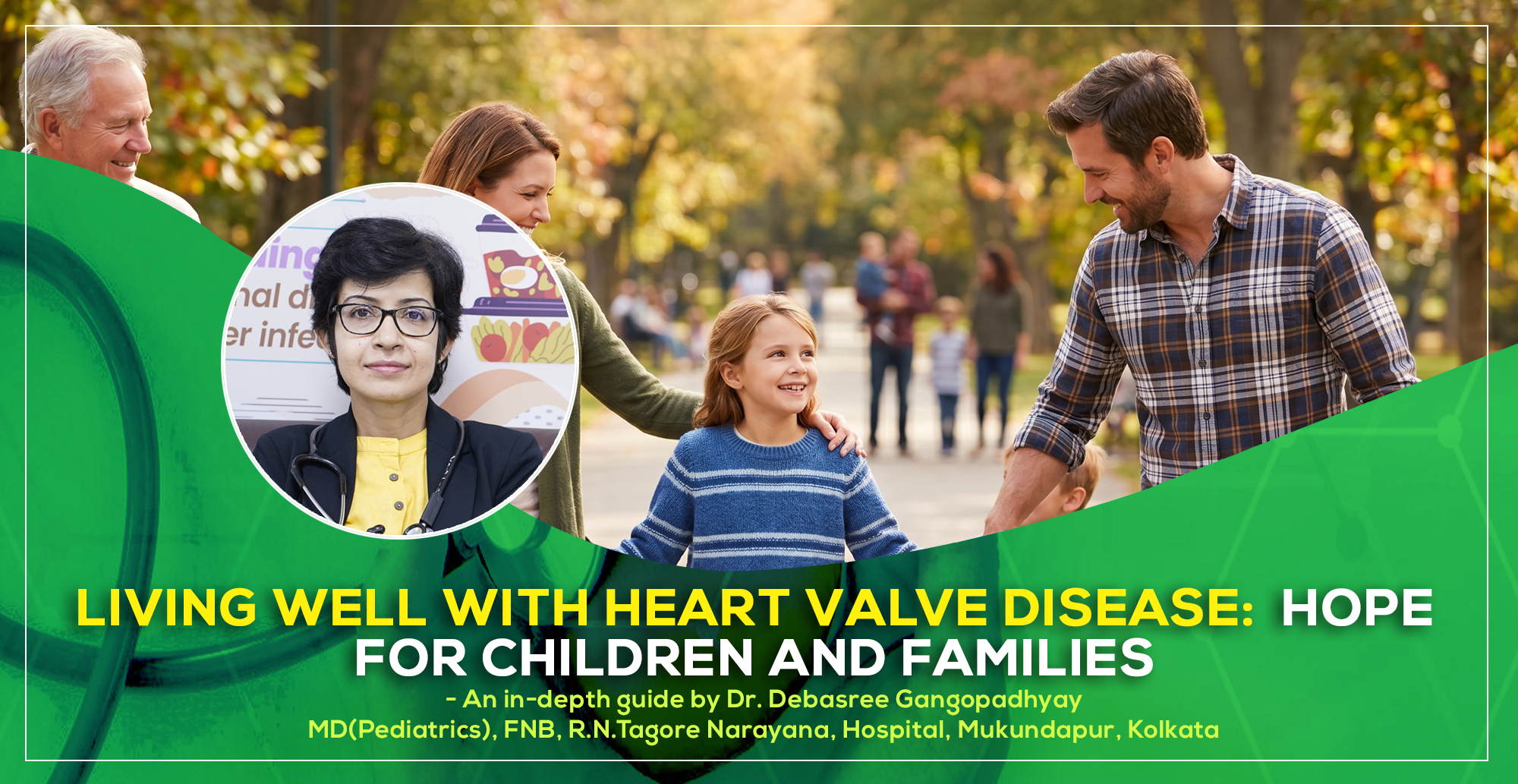
Table of Contents
Toggle‘Living Well with Heart Valve Disease: Hope for Children and Families’ – A detailed guide by Dr. Debasree Gangopadhyay, pediatric cardiologist (MD), Narayana Hospital, Mukundapur, Kolkata.
Introduction
When a child is diagnosed with a heart valve problem, it can be a worrying and emotional time for any family. Questions, fears, and uncertainty often come all at once. Parents often feel confused about what the future will look like and how to give their child the best care. However, with the right medical support, emotional support, awareness, and proper care, living well with heart valve disease for children is not only possible but also very achievable.
Today, advances in pediatric heart care have made it easier to manage and treat valve conditions from an early stage. With guidance from an experienced Child Heart Doctor in Kolkata or a specialized New Born Heart Doctor in Kolkata, many children with heart valve problems grow up leading active, healthy, and fulfilling lives.
This blog is designed to give parents clear and simple information about heart valve disease in children, along with practical tips, treatment options, and emotional support. It aims to replace fear with understanding and help families move forward with confidence and hope.
Understanding Heart Valve Disease in Children
The heart has four valves that control the flow of blood. When one or more of these valves do not work properly, it is called heart valve disease.
In children, this condition is often present from birth (congenital). For example, some babies are born with a valve that is too narrow or does not open properly, such as aortic stenosis.
Sometimes, valve problems may also develop later due to infections or other health conditions.
Common Causes of Heart Valve Disease
Heart valve disease in children can happen due to several reasons:
- Congenital Heart Defects: Many children are born with valve abnormalities because the heart did not develop normally during pregnancy.
- Infections: Certain infections like endocarditis can damage the heart valves. This happens when bacteria enter the bloodstream and affect the heart.
- Rheumatic Fever: Untreated throat infections can sometimes lead to heart valve damage later.
- Genetic Factors: Some heart conditions run in families, although not always.
Signs and Symptoms Parents Should Watch
The symptoms of heart valve disease vary depending on severity and age. Some children may not show symptoms early, while others may need immediate care.
Common signs include:
- Shortness of breath
- Fatigue or low energy
- Poor feeding in babies
- Slow weight gain
- Chest pain
- Dizziness or fainting
- Bluish skin (in severe cases)
In newborns, symptoms can appear quickly, which is why consulting a New Born Heart Doctor in Kolkata is important if anything unusual is noticed.
Diagnosis: How Doctors Identify the Problem
Early and accurate diagnosis is very important when it comes to Living Well with Heart Valve Disease for Children. The sooner the condition is identified, the better the chances of managing it effectively and helping the child live a healthy life.
If parents notice symptoms like breathing difficulty, poor feeding, or unusual tiredness, it is important to consult a Child Heart Doctor in Kolkata or a New Born Heart Doctor in Kolkata without delay. These specialists are trained to detect heart problems even in very young children.
Initial Physical Examination
The diagnosis usually starts with a simple physical check-up. The doctor listens to the child’s heartbeat using a stethoscope. Sometimes, an unusual sound called a heart murmur can indicate a valve problem.
Understanding Medical History
The doctor may ask about the child’s birth history, family history, and any symptoms observed at home. This helps in getting a clearer picture of the child’s condition.
Echocardiography (Heart Ultrasound)
This is one of the most important tests. It uses sound waves to create images of the heart. It helps doctors see how the heart valves are working and whether there is any narrowing or leakage.
Electrocardiogram (ECG)
An ECG records the electrical activity of the heart. It helps detect irregular heartbeats or stress on the heart.
Chest X-ray
A chest X-ray can show the size and shape of the heart and whether there is fluid in the lungs.
Pulse Oximetry
This simple test measures the oxygen level in the blood. It is especially useful in newborns to detect serious heart conditions early.
Advanced Tests (If Needed)
In some cases, doctors may suggest advanced tests like cardiac MRI or cardiac catheterization for a more detailed evaluation.
These tests help doctors understand how well the heart valves are functioning.
Why Early Diagnosis Matters
Timely diagnosis plays a big role in living well with heart valve disease for children. It allows doctors to plan the right treatment at the right time. Early care can prevent complications and improve the child’s growth and development.
Consulting an experienced Child Heart Doctor in Kolkata or a skilled New Born Heart Doctor in Kolkata ensures that your child receives proper evaluation, guidance, and care from the very beginning.
In simple words, early detection brings clarity, reduces risks, and gives families the confidence to move forward with the right treatment plan.
Treatment Options for Children
Treatment depends on how serious the condition is. Some children only need monitoring, while others may require medical or surgical care.
Regular Monitoring: Mild cases may only need routine check-ups to track progress.
Medications: Doctors may prescribe medicines to support heart function or prevent complications.
Interventional Procedures: Minimally invasive procedures can help open or repair valves.
Surgery: In severe cases, doctors may repair or replace the valve. Many children recover well and lead normal lives after surgery.
Modern medical care has improved significantly. In fact, many children who undergo valve repair or replacement can grow normally and stay active.
Living Well with Heart Valve Disease for Children
A diagnosis does not mean your child cannot enjoy life. With proper care, children can thrive.
Here’s how families can support a healthy lifestyle:
- Regular Medical Follow-ups: Routine visits to a Child Heart Doctor in Kolkata ensure early detection of any changes.
- Balanced Diet: Nutritious food helps improve overall health and supports heart function.
- Safe Physical Activity: Many children can participate in daily activities. Doctors will guide what level of exercise is safe.
- Preventing Infections: Good dental hygiene and timely treatment of infections are important to avoid complications like endocarditis.
- Emotional Support: Children may feel different or anxious. Encouragement from family plays a big role in building confidence.
Special Care for Newborns with Heart Valve Disease
When heart valve disease is diagnosed early in life, proper care becomes even more important.
A New Born Heart Doctor in Kolkata focuses on:
- Early diagnosis
- Monitoring feeding and growth
- Planning timely interventions
- Supporting parents through the process
Newborns with severe conditions may require immediate treatment, but many respond very well with proper care.
Challenges Families May Face
Living with a heart condition is not just physical. It can affect the emotional well-being of both the child and the family.
Some common challenges include:
- Fear about surgeries or treatments
- Financial concerns
- Emotional stress
- Managing school and activities
It’s important to remember that support is available. Talking to doctors, joining support groups, and staying informed can help families cope better.
Real Hope: Children Can Live Normal Lives
Medical science has made great progress in treating heart valve disease. Many children today grow up to:
- Attend school normally
- Play with friends
- Build successful careers
- Lead independent lives
Even in serious conditions, proper treatment and long-term care help improve both lifespan and quality of life.
When to See a Doctor Immediately
Parents should not ignore warning signs. Seek medical help if your child has:
- Difficulty breathing
- Fainting episodes
- Chest pain/palpitations
- Poor feeding or weight loss
Early medical attention can prevent complications like heart failure.
Role of Parents in Long-Term Care
Parents are the strongest support system for a child.
You can help by:
- Following the doctor’s advice carefully
- Keeping track of medications
- Encouraging a positive mindset
- Ensuring regular health check-ups
Your involvement plays a key role in your child’s recovery and long-term health.
Conclusion
Heart valve disease in children may sound frightening at first, but it is not the end of hope. With the right treatment, timely care, and emotional support, children can live full and meaningful lives.
Focusing on living well with heart valve disease for children means looking beyond the illness and supporting the child’s overall growth and happiness.
If you are concerned about your child’s heart health, consulting a trusted Child Heart Doctor in Kolkata or a specialized New Born Heart Doctor in Kolkata can provide the guidance and reassurance you need.
Remember, early care, regular follow-ups, and a positive environment can make all the difference. Your child’s journey may begin with a diagnosis, but it can lead to a life filled with strength, resilience, and hope.
FAQ's on Living Well with Heart Valve Disease: Hope for Children and Families
What are the common causes of heart valve disease in children?
Heart valve disease in children is often caused by congenital heart defects present at birth. It can also be acquired later in childhood due to infections like rheumatic fever or bacterial endocarditis that damage the heart valves.
What signs and symptoms of heart valve disease should parents watch for?
Parents should keep an eye out for signs such as shortness of breath, unexplained or extreme fatigue, poor feeding or weight gain in infants, chest pain, a bluish tint to the skin, and an irregular heartbeat or heart murmurs.
How do doctors diagnose heart valve problems in children?
Doctors typically diagnose the problem starting with an initial physical examination and a review of the child's medical history. This is usually followed by tests like an Echocardiography (heart ultrasound), Electrocardiogram (ECG), Chest X-ray, Pulse Oximetry, and other advanced tests if needed.
Why is early diagnosis important for children with heart valve disease?
Early diagnosis matters immensely because it allows pediatric cardiologists to intervene before the heart undergoes further damage. Timely treatment helps manage symptoms more effectively and ensures the child has the best possible long-term outcome.
What are the treatment options available for children?
Treatment options vary based on the specific valve issue and its severity. They can range from medications to manage the heart's workload to minimally invasive catheter procedures or surgical interventions to repair or replace the affected valves.
Can children with heart valve disease live normal lives?
Yes, there is real hope. With modern medical treatments, early intervention, and an active role from parents in long-term care, the vast majority of children with heart valve disease go on to live normal, active, and fulfilling lives.
When should I see a doctor immediately?
You should seek emergency medical attention if your child experiences severe shortness of breath, fainting (syncope), severe chest pain, sudden profound lethargy, or if you notice their lips or skin turning blue (cyanosis).
Disclaimer: This article is for informational purposes only and does not constitute medical advice. Always consult with a qualified cardiac specialist for diagnosis and treatment related to your personal health condition.
Read Also:
- Pediatric Echocardiography Test in Kolkata: Purpose, Procedure, centre and Top Echocardiography Doctor
- Congenital Heart Disease in Children: Causes, Symptoms, and Treatment Options in 2026
- Patent Ductus Arteriosus (PDA): Causes, Symptoms and Treatment in Kolkata
- SVT in Children: What Parents Need to Know About Supraventricular Tachycardia
- Rheumatic Heart Disease in Kids: Prevention and Care
- Congenital Heart Valve Defects: Early Signs and Modern Solutions
- Heart Valve Problems in Kids: Symptoms, Diagnosis, and Treatment (2026)
- Ventricular Septal Defect (VSD) in Children – Symptoms, Causes, Types & Treatments in 2025
- Understanding Heart Valve Disease in Children: A Parent’s Guide in 2025
- Atrial Septal Defect (ASD) – Symptoms, Causes, Types & Treatments in 2025
- Common Heart Conditions in Children: A Doctor’s Guide in 2025
- How Safe Are Cardiac Catheterization Procedures for Children in 2025?
- Essential Guide to Newborn Heart treatment in Kolkata in 2025
- Comprehensive Pediatric Heart Check Up: What’s Included & Why it’s Worth It

Dr. Debasree Gangopadhyay is a highly respected pediatric cardiologist based in Kolkata, India, specializing in the diagnosis and treatment of heart conditions in children. With a compassionate approach and a commitment to excellence, Dr. Gangopadhyay has made significant contributions to the field of pediatric cardiology. Her expertise includes managing congenital heart defects, arrhythmias, and other cardiovascular conditions in young patients. Dr. Gangopadhyay is dedicated to providing personalized care and staying updated with the latest advancements in pediatric cardiology. She is passionate about educating families on heart health and actively participates in research and community outreach programs.
Comments are closed