


Subtotal $0.00

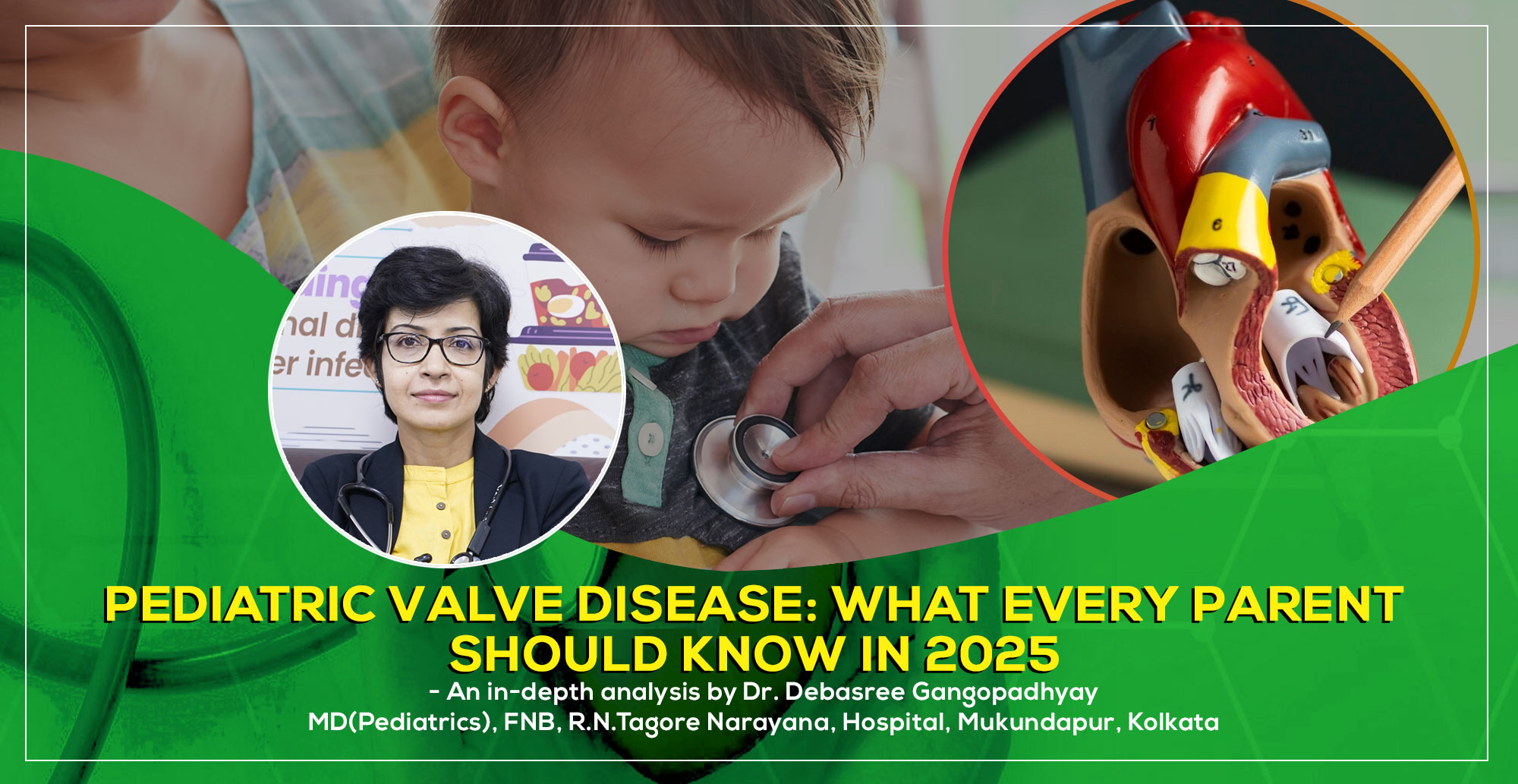
‘Pediatric Valve Disease Guide: What Every Parent Should Know’ – a detailed guide by Dr. Debasree Gangopadhyay, pediatric cardiologist (MD), Narayana Hospital, Mukundapur, Kolkata.
Introduction
Heart health is one of the most important aspects of a child’s overall well-being. When a child is diagnosed with Pediatric Heart Valve Disease, parents often feel confused, scared, and unsure about what steps to take next. With early detection, proper guidance, and advanced medical care, most heart valve conditions in children can be effectively treated.
Today, families have access to advanced care options, including specialized Pediatric Heart Valve Treatment in Kolkata, where experienced pediatric cardiologists provide expert guidance and support. This blog will help parents understand what valve disease means, why it happens, the symptoms to watch for, and how timely treatment can make a big difference in a child’s life.
What Is Pediatric Heart Valve Disease?
The human heart has four valves — mitral, tricuspid, pulmonary, and aortic. These valves ensure that blood flows in the right direction. When any of these valves do not open or close properly, it leads to Pediatric Heart Valve Disease.
In children, valve disease may be present from birth (congenital) or may develop later because of infections or other medical conditions. The disease can affect one or multiple valves and may cause mild, moderate, or severe problems depending on the type and severity of the condition.
Types of Heart Valve Problems in Children
Understanding the type of valve problem can help parents identify the best treatment path. Here are the most common types:
- Stenosis (Narrowing of the Valve): In stenosis, the valve becomes stiff or thickened and cannot open completely. This obstructs blood flow, making the heart work harder. For example, aortic stenosis is a condition where the aortic valve is narrow.
- Regurgitation (Leaky Valve): In this condition, the valve does not close properly. As a result, blood flows backward, causing the heart to pump extra blood to compensate. Mitral regurgitation is a common example.
- Atresia (Missing or Blocked Valve): Some children are born without a proper valve opening. This is a congenital condition that often requires surgery soon after birth.
- Combined Valve Disease: Sometimes a child may have both stenosis and regurgitation in the same valve. This is known as mixed valve disease.
What Causes Pediatric Heart Valve Disease?
Valve disease can happen for several reasons. Some conditions occur before birth, while others develop during childhood. The common causes include:
Congenital Heart Defects
Most cases of valve disease in children are congenital. This means the valve did not develop properly during pregnancy.
Rheumatic Fever
If a child has untreated strep throat, it may lead to rheumatic fever, which can damage the heart valves.
Infections (Endocarditis)
Bacterial infections can damage the lining of the heart and cause valve problems.
Genetic Disorders
Certain genetic conditions like Down syndrome may include valve abnormalities.
Cardiomyopathy or Other Heart Diseases
When a child has cardiomyopathy, the heart muscle becomes weakened, thickened, or stiff. This change in the heart’s structure directly affects how the heart valves function.Other heart conditions may indirectly affect how valves function.
Signs and Symptoms Parents Should Watch For
Many children with mild valve disease may not show any symptoms. However, moderate to severe cases often show noticeable signs. Parents should be alert if they observe the following:
Common Symptoms
- Shortness of breath during play or physical activity
- Fatigue or tiredness
- Poor weight gain or failure to thrive
- Chest pain (in older children)
- Rapid heartbeat or irregular heartbeats
- Dizziness or fainting
- Swelling in legs, abdomen, or around the eyes
- Frequent respiratory infections
- Feeding difficulties in infants
If your child shows any of these signs, consult a Pediatric Cardiologist in Kolkata or a child heart specialist for early diagnosis.
How Pediatric Valve Disease Is Diagnosed
A proper diagnosis is crucial for deciding the right treatment. Doctors use several tests, including:
Echocardiogram (Echo):
An echocardiogram is the most important test for diagnosing valve disease in children. It uses sound waves to show the structure and movement of the heart valves.
Electrocardiogram (ECG):
An ECG records the electrical activity of the heart.
It helps detect:
- Irregular heartbeat
- Extra pressure on the heart
- Enlargement of heart chambers
This test is quick and non-invasive.
Chest X-ray:
A chest X-ray shows the size and shape of the heart. It helps doctors see if the heart is enlarged or if there is fluid buildup in the lungs, which can happen when valves are not working properly.
Cardiac MRI or CT Scan:
These advanced imaging tests provide detailed pictures of the heart’s structure.
They are used when the valve problem is complex or when more information is needed before surgery.
Cardiac Catheterization:
This is a minimally invasive procedure used when doctors need precise measurements.
A thin tube is passed into a blood vessel and guided to the heart. It helps measure:
- Blood pressure inside the heart
- Oxygen levels
- How severe the valve problem is
It also allows doctors to perform some treatments, like balloon dilation, during the same procedure.
Blood Tests
Blood tests may be done to check for infections or conditions like rheumatic fever that can affect the heart valves.
Regular check-ups are important, especially for children with known heart conditions, family history of valve disease, or recurrent throat infections.
Treatment Options for Pediatric Heart Valve Disease
Early diagnosis can help your children get a proper treatment plan by which children can lead normal, active and fulfilling lives. The treatment approach depends on the type and severity of the valve problem. Pediatric Heart Valve Treatment in Kolkata is advanced, accessible, and offered by several reputed hospitals and pediatric heart specialists.
Commonly used treatment methods:
1. Medications:
Doctors may prescribe medicines to:
- Reduce strain on the heart
- Manage symptoms like breathlessness or swelling
- Control heart rhythm
- Prevent infections
Medications may not cure valve disease but help in managing symptoms until a procedure becomes necessary.
2. Balloon Valvulotomy:
This is a minimally invasive procedure done through catheterization. A small balloon is inserted and inflated to widen a narrowed valve.
It is highly effective in:
- Pulmonary valve stenosis
- Aortic valve stenosis (in selected cases)
This treatment is often preferred for children because it avoids open-heart surgery.
3. Valve Repair Surgery:
Valve repair is recommended when the valve structure can be corrected without replacing it. Repair surgeries may include:
- Reshaping the valve
- Removing extra tissue
- Tightening or adding support to valve leaflets
- Repairing valve rings
Repair is preferred over replacement because it allows the child’s natural valve to grow with them.
4. Valve Replacement Surgery:
In some cases, the valve is too damaged to be repaired. Surgeons may replace it with:
- Mechanical valves
- Biological valves (from human or animal tissue)
Children with mechanical valves may need lifelong blood-thinning medication, while biological valves may need replacement in the future because they do not grow with the child.
Post-Surgery Care
Post-surgery care plays a major role in helping a child recover safely after Pediatric Valve Disease treatment.
- Regular follow-ups
- Timely echocardiograms
- Medicines as prescribed
- balanced diet, enough rest, and gentle physical activity as advised by the doctor
- Emotional support is equally important
- Careful monitoring of symptoms
- Infection prevention
With proper care, most children live normal, active lives after valve surgery.
Why Early Treatment Matters
Early detection and timely treatment can prevent complications such as:
- Heart failure
- Growth problems
- Poor physical development
- Recurrent respiratory infections
- Life-threatening emergencies
Parents should never ignore symptoms or delay medical consultation. Pediatric heart conditions are highly treatable today with the expertise of trained child heart specialists.
Pediatric Heart Valve Treatment in Kolkata
Kolkata has grown into one of the leading hubs for pediatric cardiac care in India. Families from across the country and neighbouring nations visit the city for advanced and affordable treatment.
Why Kolkata?
Kolkata has become one of the most trusted cities in India for Pediatric Valve Disease treatment because of its advanced medical facilities and experienced heart specialists. The city offers world-class diagnosis, modern treatment options, and well-equipped pediatric cardiac units designed especially for children.
Parents prefer Kolkata because it has some of the best pediatric cardiologists, skilled surgeons, and hospitals that provide high-precision procedures like valve repair, balloon dilation, and valve replacement. The treatment here is also more affordable compared to many other metros, making it easier for families to access quality care.
With expert doctors, advanced technology, and child-friendly care, Kolkata continues to lead as a safe and reliable destination for pediatric heart valve treatment.
If you are seeking expert guidance, choosing a Pediatric Cardiologist in Kolkata ensures your child receives top-quality and specialized care.
Living With Pediatric Valve Disease: A Parent’s Guide
Caring for a child with heart valve disease requires awareness, patience, and ongoing medical support. Here are some helpful tips for parents:
- Maintain Regular Doctor Visits: Follow-up appointments are essential to monitor heart function and growth.
- Encourage Healthy Eating: A balanced diet supports heart health and overall immunity.
- Avoid Overexertion: Let your child rest when needed. Discuss safe physical activities with your doctor.
- Keep Track of Medications: Do not skip doses. Maintain a medication schedule.
- Watch for Warning Signs: If your child experiences breathlessness, fainting, chest pain, or unusual fatigue, seek medical help immediately.
- Manage Infections Early: Treat sore throats and respiratory infections promptly to prevent complications.
- Emotional Support: Children may feel scared or different from others. Be supportive, patient, and reassuring. Encourage open conversations about their feelings.
Can Pediatric Valve Disease Be Prevented?
Not all cases are preventable, especially congenital heart defects. However, you can reduce risk and protect your child by:
- Treating throat infections early to prevent rheumatic fever
- Maintaining good dental hygiene to avoid infections
- Ensuring regular heart check-ups for children with genetic disorders
- Following a healthy lifestyle during pregnancy
- Keeping vaccinations updated
A pediatric cardiologist can guide you based on your child’s specific needs.
When Should You See a Pediatric Cardiologist in Kolkata for Pediatric Valve Disease
Parents should seek immediate consultation if:
- A newborn turns blue
- struggles to breathe
- A child faints frequently
- There is unexplained chest pain or fatigue
- The child is not gaining weight properly
- A doctor detects a heart murmur
- The child had rheumatic fever
- Your family has a history of congenital heart defects
Early specialist care gives your child the best possible chance for healthy development.
Can Children Lead a Normal Life After Heart Valve Treatment?
Yes. Most children with valve disease go on to live normal, healthy, active lives with the right treatment and follow-up care. Advances in pediatric heart surgery and interventional cardiology have improved outcomes significantly.
Children can attend school, participate in moderate sports, grow normally and can enjoy a high quality of life.
With ongoing advances in medical technology, the future for children with heart valve disease continues to become brighter.
Conclusion
Pediatric valve disease can be worrying for any parent, but the right information, proper diagnosis and timely care can make a huge difference. Today, children with heart valve problems can receive safe, effective, and advanced treatment and go on to live healthy, active lives. Understanding the symptoms, getting regular check-ups, and consulting a trained specialist are the most important steps.
If your child has been diagnosed with a valve issue, do not panic. Modern medical care, especially expert services like pediatric heart valve treatment available in cities such as Kolkata, offers excellent results. With early diagnosis, the guidance of a skilled pediatric cardiologist, and proper follow-up, your child can grow and thrive confidently.
With awareness, proper medical support, and consistent follow-up, your child can grow, learn, play, and enjoy life just like any other child. Early action and informed decisions are the keys to protecting your child’s heart.
Hope you find this article on ‘Pediatric Valve Disease Guide‘ really helpful.
Read Also:
- Ventricular Septal Defect (VSD) in Children – Symptoms, Causes, Types & Treatments in 2025
- Understanding Heart Valve Disease in Children: A Parent’s Guide in 2025
- Atrial Septal Defect (ASD) – Symptoms, Causes, Types & Treatments in 2025
- Common Heart Conditions in Children: A Doctor’s Guide in 2025
- How Safe Are Cardiac Catheterization Procedures for Children in 2025?
- Essential Guide to Newborn Heart treatment in Kolkata in 2025
- Comprehensive Pediatric Heart Check Up: What’s Included & Why it’s Worth It
Follow Me on Youtube & Facebook

Dr. Debasree Gangopadhyay is a highly respected pediatric cardiologist based in Kolkata, India, specializing in the diagnosis and treatment of heart conditions in children. With a compassionate approach and a commitment to excellence, Dr. Gangopadhyay has made significant contributions to the field of pediatric cardiology. Her expertise includes managing congenital heart defects, arrhythmias, and other cardiovascular conditions in young patients. Dr. Gangopadhyay is dedicated to providing personalized care and staying updated with the latest advancements in pediatric cardiology. She is passionate about educating families on heart health and actively participates in research and community outreach programs.
Comments are closed