


Subtotal $0.00

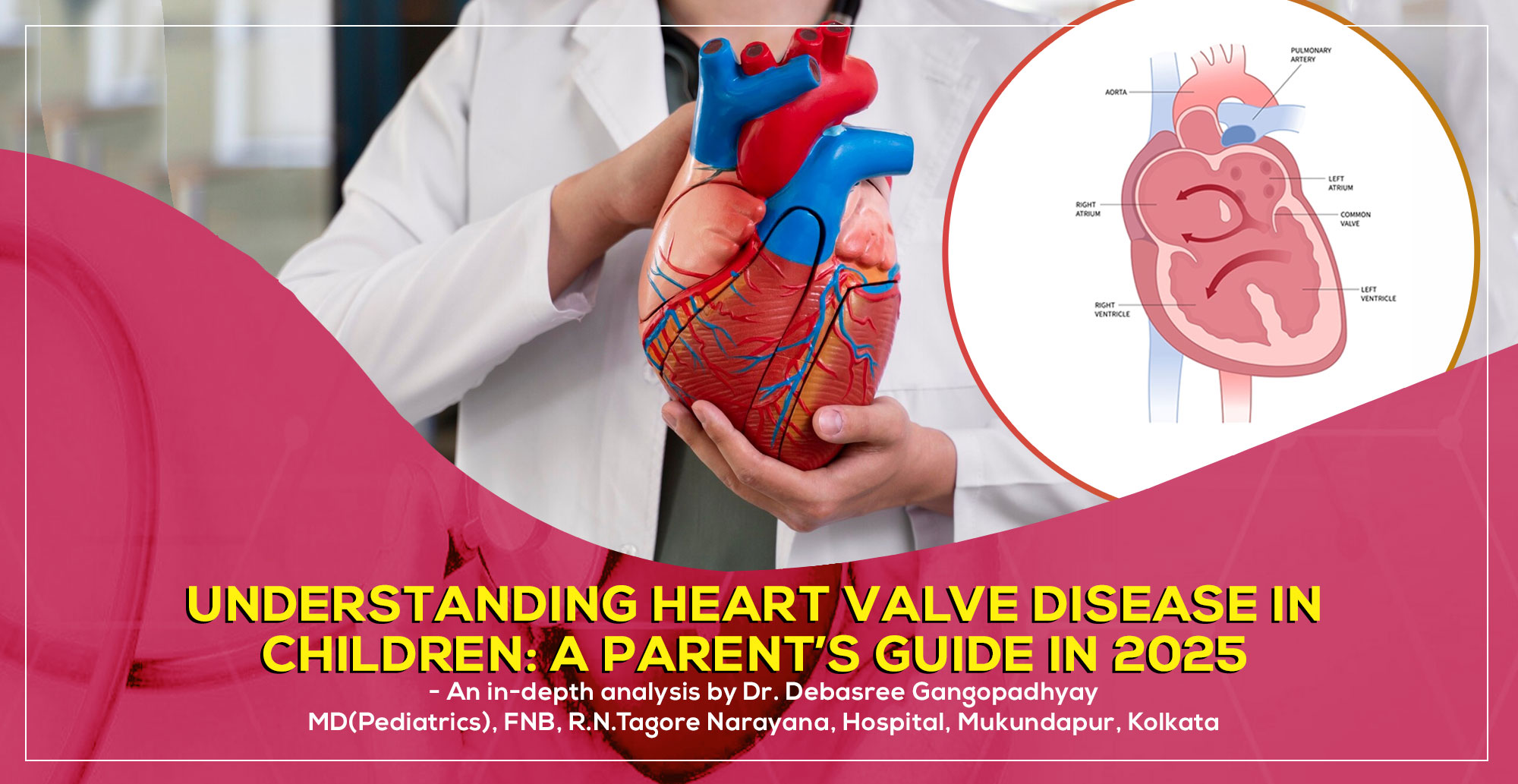
‘Understanding Heart Valve Disease in Children: A Parent’s Guide in 2025‘ by Dr. Debasree Gangopadhyay, pediatric cardiologist (MD), Narayana Hospital, Mukundapur, Kolkata.
Introduction
Heart valve disease in children can be worrying for any parent. When your child is diagnosed with heart valve disease, it is natural to feel confused or anxious. The good news is that many heart valve conditions can be treated successfully, especially when diagnosed early. With proper medical care from a child heart specialist, most children grow up to live healthy and active lives.
This guide will walk you through everything you need to know about heart valve disease in children, from the basics to treatment options and finding the right specialists. It will help you understand the causes, symptoms, diagnosis, and available treatment options. It will also tell you when you should consult a Pediatric Cardiologistfor expert guidance.This guide will walk you through everything you need to know about heart valve disease in children, from the basics to treatment options and finding the right specialists.
Heart Valve Disease in Children
What Is Heart Valve Disease in Children?
The heart has four valves. They are like small one-way gates that open and close to move blood in the right direction. These valves are
- Aortic valve
- Mitral valve
- Pulmonary valve
- Tricuspid valve
Each one plays a specific role in keeping blood moving through the heart and out to the body. When any of these valves do not open fully or do not close properly, blood flow becomes restricted or leaks back into the heart. This is known as heart valve disease.
In children, valve disease can be present from birth or may develop later due to an illness.
Types of Valve Problems
- Stenosis: This is when a valve becomes narrow. Because of this, it is difficult for blood to pass through. The child’s heart has to work harder to pump blood.
- Regurgitation: This happens when a valve does not close tightly. Blood starts leaking backwards. This can reduce the amount of blood flowing to the body.
- Atresia: In some children, a valve may not form at all. This is a more serious condition and usually needs early treatment from a specialist.
Causes of Heart Valve Disease in Children
What Causes Heart Valve Disease in Children?
Most valve problems in children start before birth. During pregnancy, as the baby’s heart develops, something goes wrong with how the valves form. The baby is born with a valve that is too narrow, too thick or formed in an unusual shape. These are known as congenital heart defects.
A Congenital Heart Doctor is trained to diagnose and manage these conditions from birth onwards.
Acquired Heart Valve Disease
Sometimes children are born with perfectly healthy hearts, but valve problems develop later. It is acquired heart valve disease.
Viral or Bacterial Infections
Some infections, such as rheumatic fever, can damage the valves. It develops as a complication of untreated strep throat or scarlet fever. The body’s immune response to the strep infection can damage the heart valves, particularly the mitral valve.
Genetic Factors
Some children inherit conditions that affect how their valves form or function.
Other Health Conditions
Inflammation, autoimmune conditions, or complications from other heart diseases can also cause valve problems.
Signs and Symptoms Parents Should Notice
Not all children show obvious symptoms. In some cases, valve disease is detected during routine check-ups. However, common signs include:
- Fast breathing or difficulty breathing
- Poor weight gain
- Fatigue during feeding or playing
- A heart murmur
- Swelling of the legs or abdomen
- Chest pain (rare in young children)
- Bluish tint on lips or skin
- Trouble keeping up with other children
If you see any of these symptoms, it is best to consult with a Child Heart Doctorfor an assessment.
How Heart Valve Disease Is Diagnosed
A Pediatric Cardiologistuses several tests to identify valve problems. These may include:
- Physical Examination: The doctor listens to the child’s heart to check for murmurs or unusual sounds.
- Echocardiogram: This is the most important test. It uses sound waves to create images of the heart. It shows the valves, their movement, and blood flow.
- Electrocardiogram (ECG): This measures the electrical activity of the heart.
- Chest X-ray: This helps see the size and shape of the heart.
- MRI or CT Scan: Used in more complex cases to get detailed images.
- Cardiac Catheterization: A small tube is inserted into a blood vessel to measure pressure and blood flow. It is done only when needed.
These tests help the doctor understand how serious the condition is and what treatment is required.
Treatment Options for Children
Treatment depends on the type of valve disease and how severe it is. Some children do not need immediate treatment but must be monitored regularly.
- Medications
Medicines can help manage symptoms, reduce strain on the heart, or prevent infection. Medications can help manage symptoms and support heart function:- Medications help remove excess fluid and reduce swelling
- Blood pressure medications ease the heart’s workload
- Antibiotics prevent infections, especially before dental procedures
- Blood thinners prevent clots in some cases
- Medications to regulate heart rhythm
- Your child heart doctorwill tailor the medication plan to your child’s specific needs.
- Regular Monitoring: Many children with mild valve disease grow normally. They only need regular check-ups with a pediatric cardiologist.
- Catheter-Based Procedures: Some valve problems can be treated without open-heart surgery. Doctors use special balloons to treat blocked valve or clips to repair leakage.
- Valve Repair Surgery: Surgeons fix the child’s existing valve rather than replacing it so it works better. This is preferred when possible because the child’s natural valve grows with them.
- Valve Replacement Surgery: If a valve is too damaged, it may need to be replaced. Surgeons can replace it with a mechanical valve or a biological valve made from human or animal tissue.
- Catheter-Based Procedures: For some valve problems, doctors can fix the issue without open-heart surgery. These minimally invasive procedures use thin tubes (catheters) inserted through blood vessels:
- Balloon valvuloplasty: A balloon is inflated inside a narrowed valve to stretch it open. This works well for certain types of stenosis.
- Transcatheter valve replacement: In select cases, a new valve can be delivered and implanted through a catheter.
- Lifelong Care: Some children require long-term follow-ups to check the valve’s condition as they grow.
How Parents Can Support Their Child?
- Follow Medical Advice: Attend all check-ups, even when your child seems fine. This helps track any changes early.
- Watch for Symptoms: Noticing new symptoms quickly helps prevent complications.
- Encourage Healthy Habits: Balanced eating, proper sleep, and age-appropriate activities can help the child stay strong.
- Emotional Support: Children may feel worried or restricted. Gentle encouragement helps them feel confident.
- Seek Timely Specialist Care: A Congenital Heart Doctoror an experienced Child Heart Specialist can give you the right guidance and comprehensive care at every stage.
Why Early Diagnosis Matters
Heart valve disease can become serious if untreated. Early diagnosis helps:
- Reduce strain on the heart
- Prevent complications
- Improve growth and development
- Provide more treatment options
- Support a better quality of life
This is why regular paediatric check-ups are important, especially if there is a family history of heart problems or if the child shows symptoms.
When Should You Consult a Child Heart Specialist?
You need to consult a Pediatric Cardiologist if you notice:
- Persistent breathing problems
- Unusual tiredness
- Slow growth
- A doctor mentions a heart murmur
- Repeated infections
- Bluish lips or fingertips
If your child has been diagnosed with a heart condition before, routine follow-ups with a Child Heart Doctor are essential.
Living with Heart Valve Disease
Many parents worry that their child will not be able to live a normal life. In reality, most children with proper treatment enjoy school, sports, and everyday activities. What matters most is timely care and regular monitoring.
With advanced diagnostics and treatment options available today, children with heart valve disease have a bright future. The guidance of a skilled doctor ensures continuous support throughout childhood.
Daily Life and Activities
Many children with mild valve problems can participate in normal activities with few restrictions.For more serious cases, your doctor might recommend limiting certain high-intensity sports or competitive athletics.
Nutrition and Lifestyle
Good nutrition supports heart health. A balanced diet with plenty of fruits, vegetables, whole grains, and lean proteins helps maintain a healthy weight and supports overall wellness. Staying hydrated is important, but some children with severe heart problems need fluid restrictions. Follow your doctor’s specific guidance. Regular sleep, stress management, and maintaining a positive outlook all contribute to better health outcomes.
Conclusion
Understanding heart valve disease makes the journey easier for parents. With early detection, clear information, and the right medical support, children can live healthy and fulfilling lives. If you ever feel unsure or concerned about your child’s heart health, do not hesitate to meet a Pediatric Cardiologist. With proper care from experienced child heart specialists, appropriate treatment, and your loving support, your child can lead happy and healthier lives.
Disclaimer: This article is for informational purposes only and does not constitute medical advice. Always consult with a qualified cardiac specialist for diagnosis and treatment related to your personal health condition.
Read Also:
- Atrial Septal Defect (ASD) – Symptoms, Causes, Types & Treatments in 2025
- A Closer Look at Pediatric Cardiology in Patna, Bihar in 2025
- Child Heart Treatment in Ranchi, Jharkhand in 2025
- Meet the renowned Pediatric Cardiologists in Jharkhand
- Common Heart Conditions in Children: A Doctor’s Guide in 2025
- How Safe Are Cardiac Catheterization Procedures for Children in 2025?
- Essential Guide to Newborn Heart treatment in Kolkata in 2025
Follow Me on Youtube & Facebook

Dr. Debasree Gangopadhyay is a highly respected pediatric cardiologist based in Kolkata, India, specializing in the diagnosis and treatment of heart conditions in children. With a compassionate approach and a commitment to excellence, Dr. Gangopadhyay has made significant contributions to the field of pediatric cardiology. Her expertise includes managing congenital heart defects, arrhythmias, and other cardiovascular conditions in young patients. Dr. Gangopadhyay is dedicated to providing personalized care and staying updated with the latest advancements in pediatric cardiology. She is passionate about educating families on heart health and actively participates in research and community outreach programs.
Comments are closed