


Subtotal $0.00


‘Ventricular Septal Defect (VSD) in Children – Symptoms, Causes, Types & Treatments in 2025‘: A Complete Parent’s Guide by Dr. Debasree Gangopadhyay, pediatric cardiologist (MD), Narayana Hospital, Mukundapur, Kolkata.
Introduction
Ventricular Septal Defect, commonly known as VSD, is one of the most common congenital heart defects diagnosed in children. Many parents feel scared when they hear this term for the first time, but the good news is that VSD is often treatable. Today, parents have access to advanced diagnoses, safe treatment options, and experienced specialists who guide them through every step.With timely diagnosis, proper medical guidance, and the support of an experienced Pediatric Cardiologistor Child Heart Doctor, most children grow up to live healthy and active lives.
This guide explains everything parents need to know about VSD. You will learn what VSD is, why it happens, its symptoms, types, diagnosis, and the different treatment options available. This detailed understanding will help you make informed decisions and feel more confident in managing your child’s heart health.
Understanding Ventricular Septal Defect (VSD)
What Is Ventricular Septal Defect (VSD)?
The heart has four chambers. The two lower chambers are known as the ventricles. These chambers are separated by a wall called the ventricular septum. In a healthy heart, this wall prevents blood from mixing between the right and left ventricles.
A ventricular septal defect occurs when there is a hole in this wall. Because of this opening, oxygen-rich blood from the left ventricle mixes with oxygen-poor blood from the right ventricle. This mixing causes the heart to work harder and may increase blood flow to the lungs.
The size and location of the hole determine how serious the defect is. Some children have a very small VSD that closes on its own. Others may have a large hole that requires medical treatment or surgery.
What Causes VSD in Children?
VSD is a congenital condition, which means children are born with it. It usually develops during the early stages of pregnancy when the baby’s heart is forming. In many cases, the exact causesare not clear, but several certain factors may increase the chances of VSD developing in a baby.
Possible Causes and Risk Factors
- Genetic Factors: Ventricular Septal Defect (VSD) sometimes may be linked to genetic changes. A child may inherit certain conditions from parents or develop them during early development in the womb. Children with a family history of congenital heart problems may have a higher chance of developing VSD.
- Maternal Health Conditions: Certain health issues in the mother during pregnancy can raise the risk of congenital heart defects. These may include uncontrolled diabetes, infections like rubella, or exposure to harmful substances.
- Medication or Substance Exposure: Some medicines, alcohol, or harmful drugs taken during pregnancy may affect the baby’s heart development.
- Chromosomal Disorders: Conditions such as DownSyndrome can include heart defects like VSD.Sometimes, VSD occurs due to abnormalities in the chromosomes of the baby.
However, many babies with VSD are born to healthy parents with no known risk factors. It is important to remember that in most cases, VSD is not caused by anything the parents did or did not do. When mothers follow all medical guidelines during pregnancy, VSD can still occur. It is not anyone’s fault.
Signs and Symptoms of VSD in Children
Symptoms vary depending on the size of the hole. Very small VSDs may not cause any symptoms and may be discovered only during a routine checkup. Large VSDs, however, can show more noticeable signs.
Common Symptoms Parents Should Watch For
- Fast Breathing or Breathing Difficulty
- Poor Weight Gain
- Tiredness During Feeding
- Sweating During Feeding or Playing
- Frequent Lung Infections
- Heart Murmur
If parents notice any of these symptoms, it is important to seek medical guidance as early as possible.
Types of Ventricular Septal Defects
VSDs come in different types, and the treatment plan depends largely on the location and size of the defect. Understanding these types can help parents get a clearer picture.
- Perimembranous VSD: This is the most common type. The hole is located in the upper part of the septum, close to the heart valves.
- Muscular VSD: The hole is found in the lower, muscular part of the septum. These defects are often small and may close naturally as the child grows.
- Inlet VSD: The opening is located near the tricuspid and mitral valves. This type may be associated with certain genetic conditions.
- Outlet (or Subarterial) VSD: This type is located near the area where blood leaves the heart. It is less common but needs careful monitoring because it may affect the heart valves.
Each type needs proper evaluation by a Pediatric Cardiologist to decide the best treatment plan.
How is VSD Diagnosed in Children?
Ventricular Septal Defect (VSD) is usually diagnosed during a routine checkup when a doctor identifies a heart murmur. If the doctor suspects a heart problem, the child is referred to a Pediatric Cardiologist for further tests.Diagnosis usually begins with a physical examination.
Common Tests Used to Diagnose VSD:
- Echocardiogram (Echo): The most important test for diagnosing VSD is an echocardiogram. It uses sound waves to create images of the heart and shows the exact location and size of the hole.
- Electrocardiogram (ECG): This test measures the electrical activity of the child’s heart and can detect strain on the heart.
- Chest X-ray: A doctor may suggest an X-ray to check the size of the heart and lungs.
- Pulse Oximetry: This small device measures the oxygen level in the child’s blood.
- Cardiac MRI or Cardiac Catheterization: These are used when more detailed information is needed.
Prompt diagnosis helps prevent complications and guides the right treatment at the right time.
Treatment Options for VSD in Children
Not every child with a VSD needs immediate treatment. Some small defects may close naturally. The treatment depends on the defect’s size, symptoms, and impact on the heart and lungs.
- Monitoring and Regular Follow-Ups: If the VSD is small, the Pediatric Cardiologist may recommend regular checkups to monitor progress. Many small VSDs close as children grow.
- Medications: Medicines do not close the hole but help to manage symptoms. These may include:
-
- Drugs to reduce fluid buildup in the lungs
- Medicines to help the heart pump more efficiently
- Nutritional support for babies with feeding difficulties
- Surgical Repair: Surgery may be needed if:
-
- The VSD is large
- The child has trouble breathing
- The child is not gaining weight
- There is a risk of lung damage
- Symptoms do not improve with medicines
In surgery, the doctor closes the hole using a patch or stitches. Modern surgical techniques are safe and have high success rates.
- Catheter-Based Closure: Some VSDs can be closed using a less invasive procedure. A device is inserted through a catheter and placed to close the hole. This option is used for selected types of VSD and depends on the child’s condition.
Your Child Heart Doctor will discuss which option is best and explain the benefits and risks.
Possible Complications if VSD Is Not Treated:
Most children do very well with proper treatment. But without timely care, a large or untreated VSD can lead to complications such as:
- High pressure in the lungs
- Irregular heartbeat
- Heart valve issues
- Poor growth
- Pulmonary hypertension
- Frequent lung infections
These complications can become serious if medical care is delayed. This is why timely diagnosis, monitoring, and treatment from a Child Heart Doctor is very important.
Living with VSD: What Parents Should Know
Living with Ventricular Septal Defect (VSD) can feel stressful at first, but most children with this condition grow up to live normal, healthy lives. Many families find comfort in understanding what to expect and how to support their child.The key is to follow your doctor’s advice and attend regular checkups.A Pediatric Cardiologist or Child Heart Doctor will monitor your child’s heart, check their growth, and make sure the condition is improving.
- Daily Care: Most children with small VSDs live absolutely normal lives. Parents simply need to follow the doctor’s advice and attend routine checkups.
- Feeding Support for Babies: If your baby gets tired during feeding, the doctor may recommend feeding in small, frequent amounts or using high-calorie formulas.
- Activity: Most children with VSD can play normally unless the doctor suggests certain limits.
- Dental Care: Good dental hygiene is important because infections in the mouth can sometimes affect the heart. Regular dental checkups help prevent complications.
- Follow-Up Visits: Even after treatment, children may need periodic checkups to ensure the heart is functioning well.
Your Pediatric Cardiologist will guide you at every step.With proper care and timely follow-ups, children with VSD can enjoy an active and healthy future.
When Should Parents Seek Medical Help?
Parents should consult with a doctor immediately if they notice:
- Rapid or difficult breathing
- Blue lips or skin
- Poor feeding or weight loss
- Excessive sweating
- Extreme tiredness
- Frequent respiratory infections
If something feels unusual, it is always safer to consult a child heart specialist.Early diagnosis gives children the best chance for a healthy future and reduces the risk of long-term heart problems.
Can VSD be prevented?
Since VSD develops during early pregnancy, complete prevention is not always possible. But certain steps may lower the risk:
- Maintain good health before and during pregnancy
- Manage medical conditions like diabetes
- Avoid alcohol, tobacco, and harmful medications
- Take recommended vaccines
- Attend all prenatal checkups
Healthy lifestyle choices support better heart development in babies.
Outlook for Children Living with VSD
The outlook for children living with Ventricular Septal Defect (VSD) is generally very positive. Many children with small VSDs grow up without any major problems, and in many cases, the hole closes naturally as they get older. With regular checkups and proper care, most children lead normal, active lives.
For children who need treatment, modern medical procedures and surgeries are safe and highly successful. After treatment, they can usually play, study, and enjoy daily activities just like other children. Long-term follow-up with a child heart doctor helps ensure the heart remains healthy and any concerns are managed early.With the right guidance, early diagnosis, and continued medical support, children with VSD can lead healthier lives in the future.
Conclusion
A ventricular septal defect diagnosis can be worrying for any parent, but understanding the condition makes the journey easier. Understanding the symptoms, causes, types, and treatment options helps parents make confident decisions for their child’s heart health.VSD is a common and treatable congenital heart defect.Regular checkups and early guidance from a skilled Pediatric Cardiologist play an important role in managing this condition.
Many VSDs close on their own, and those that need treatment often have excellent outcomes. With proper medical support, a healthy lifestyle, and attentive follow-up, children with VSD can grow up to lead normal, active, and happy lives.Parents play a key role by staying informed, observing symptoms, and keeping up with follow-ups. The support you provide can make a big difference in your child’s well-being. With the right care and guidance, your child can look forward to a bright and active future.
If you’re in Kolkata, you have access to skilled child heart doctors who can provide excellent care & treatment in VSD. Don’t delay in seeking consultation if you notice any symptoms or if VSD has been diagnosed.
Disclaimer: This article is for informational purposes only and does not constitute medical advice. Always consult with a qualified cardiac specialist for diagnosis and treatment related to your personal health condition.
Read Also:
- Tips for Parents of Children with Ventricular Septal Defects (VSD)
- Atrial Septal Defect (ASD) – Symptoms, Causes, Types & Treatments in 2025
- Understanding Heart Valve Disease in Children: A Parent’s Guide in 2025
- How Safe Are Cardiac Catheterization Procedures for Children in 2025?
- Essential Guide to Newborn Heart treatment in Kolkata in 2025
- Comprehensive Pediatric Heart Check Up: What’s Included & Why it’s Worth It
Follow Me on Youtube & Facebook
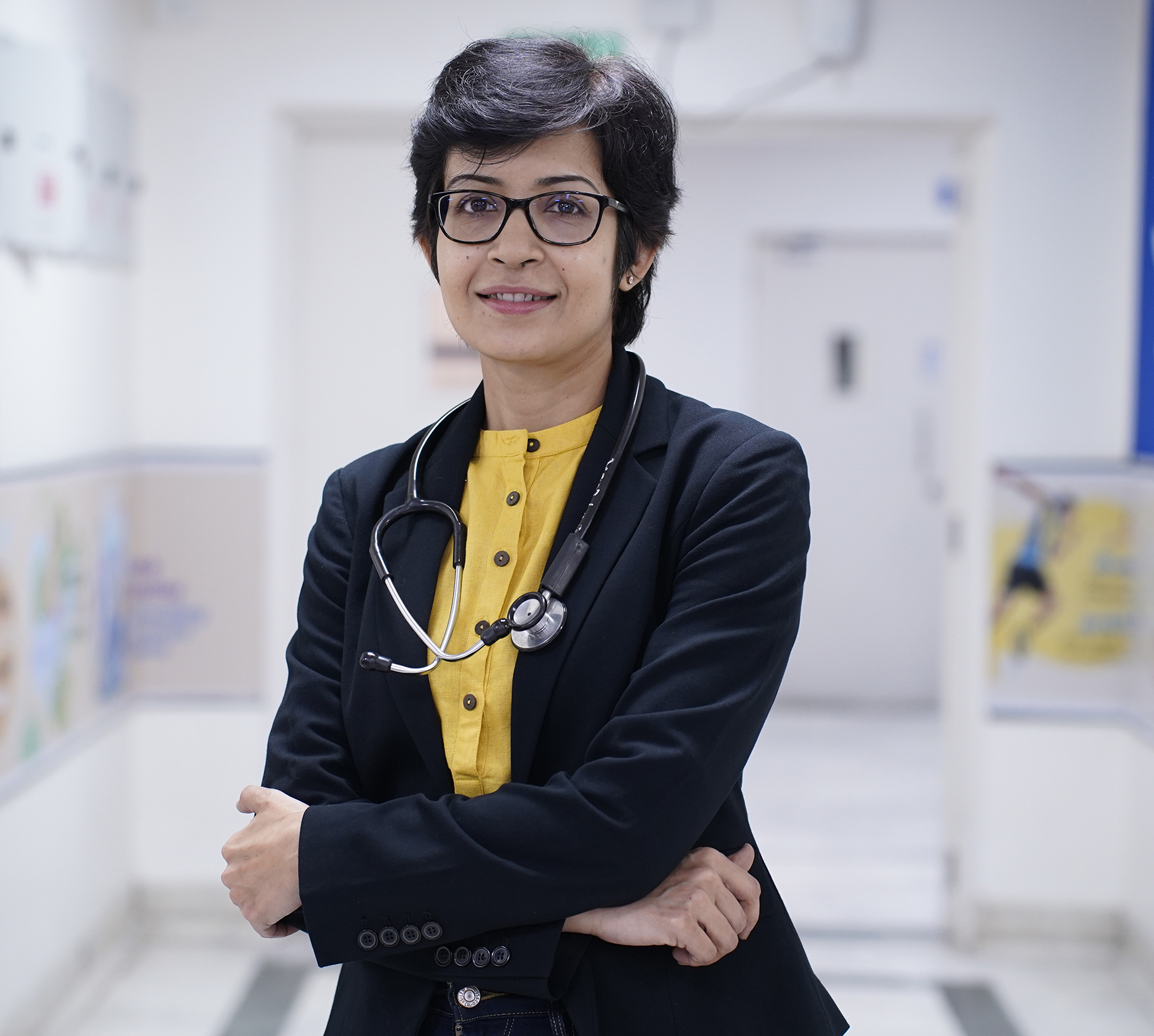
Dr. Debasree Gangopadhyay is a highly respected pediatric cardiologist based in Kolkata, India, specializing in the diagnosis and treatment of heart conditions in children. With a compassionate approach and a commitment to excellence, Dr. Gangopadhyay has made significant contributions to the field of pediatric cardiology. Her expertise includes managing congenital heart defects, arrhythmias, and other cardiovascular conditions in young patients. Dr. Gangopadhyay is dedicated to providing personalized care and staying updated with the latest advancements in pediatric cardiology. She is passionate about educating families on heart health and actively participates in research and community outreach programs.
Comments are closed