


Subtotal $0.00


Atrial Septal Defect (ASD) – Symptoms, Causes, Types & Treatments in 2025: An Easy Guide for Parents’ a by Dr. Debasree Gangopadhyay, pediatric cardiologist (MD), Narayana Hospital, Mukundapur, Kolkata.
Introduction
When it comes to a child’s heart health, even a small issue can make parents deeply concerned. One such condition that often worries families is Atrial Septal Defect (ASD)— a common type of congenital heart defect found in babies and children. In simple terms, it means there is a small hole in the wall (septum) that separates the two upper chambers of the heart.
Even though a “hole in the heart” (ASD) sounds scary, many cases can be successfully fixed with expert pediatric cardiologist and modern medical care.With the latest advancements in pediatric cardiology in 2025, early diagnosis and effective treatment have made recovery much easier and safer for children.
In this easy-to-understand guide, we’ll explain what ASD is, its symptoms, causes, types,and available treatments, so parents can stay informed and take the right steps for their child’s heart health.
Understanding Atrial Septal Defect (ASD)
What Is Atrial Septal Defect (ASD)?
An Atrial Septal Defect (ASD) is a small hole in the wall that separates the heart’s two upper chambers (the atria). This wall is called the septum. When a baby is developing inside the womb, the heart forms in several stages. Sometimes, this wall doesn’t close completely form before birth, leaving a gap. Because of this, blood can flow between the right and left atria, which may cause the heart and lungs to work harder than normal.
ASD is one of the most common congenital heart conditions seen in children. Many babies born with a small hole may not show symptoms early in life. Over time, if the hole is big enough, this can cause problems. However, larger defects can lead to problems such as fatigue, breathing difficulties, and poor growth if left untreated. The good news is that with modern medical care, most children diagnosed with ASD can lead completely normal lives after treatment.
Understanding the Causes of ASD
Why Does ASD Happen?
For parents, understanding ASD is vital. ASD happens during the baby’s development in the womb, and in most cases, we don’t know exactly why.
Genetic Factors
Sometimes, ASD is genetic, and it is passed down through families. If you or your partner had a heart defect, or if there’s a family history of congenital heart problems, your child might have a slightly higher chance of having one too. Certain genetic conditions, like Down syndrome, are also associated with a higher risk of ASD.
But remember, having a family history doesn’t guarantee your child will have ASD. Many children with this condition have no family history at all.
Environmental Influences During Pregnancy
Certain factors during pregnancy might increase the risk, though they don’t directly cause ASD. These include:
- Uncontrolled diabetes in the mother
- Certain medications taken during pregnancy
- Alcohol or drug use during pregnancy
- Rubella infection during the first trimester
- Smoking during pregnancy
Why Awareness About ASD Matters for Parents
Parents need to understand about ASD causes, symptoms, treatment procedures, etc. Early awareness helps you notice signs that might otherwise go unnoticed. It also allows you to make informed decisions about your child’s care. Many parents panic when they hear the word “heart defect,” but ASD is often treatable, especially when detected early.
As medical technology advances, Atrial Septal Defect (ASD) treatment in 2025 has become safer and more effective. Procedures are less invasive, and recovery times are shorter.
If you live in or around Kolkata, it is important to visit a skilled pediatric cardiologist in Kolkata to get advanced heart treatment for children.
Recognizing the Symptoms of ASD in Children
This is where things get a bit tricky. Some children with ASD show clear symptoms, while others seem perfectly healthy for years. The symptoms depend mainly on the size of the hole.
Symptoms in Infants
Babies with larger ASDs might show these signs:
- Difficulty feeding or getting tired while eating
- Poor weight gain or slow growth
- Breathing faster than normal
- Frequent lung infections or respiratory problems
Symptoms in Older Children
If the ASD wasn’t detected in infancy, older children might experience:
- Getting tired easily during play or exercise
- Shortness of breath during physical activities
- Frequent respiratory infections
- Heart palpitations (feeling like their heart is racing or skipping beats)
- Swelling in the legs, feet, or abdomen (though this is uncommon)
When Symptoms Might Not Show Up
Here’s something many parents find surprising: small ASDs often cause no symptoms at all. Your child might run, play, and grow just like any other kid. Sometimes, the only reason the defect is discovered is because a doctor hears an unusual sound (a heart murmur) during a routine checkup.Even small ASDs need monitoring because they can cause problems later in life if left untreated.
When to See a Pediatric Cardiologist
If your child often feels tired, struggles to keep up during play, or you notice unusual breathing patterns, it’s best to seek medical advice. Pediatric cardiologists specialize in diagnosing and treating congenital heart defects like ASD. Early diagnosis leads to better treatment options and outcomes.
Even if your child doesn’t show obvious symptoms, routine heart checkups can help identify hidden problems. Doctors today can use advanced imaging techniques to detect any heart defects early. This makes sure your child gets quick treatment before complications start.
In 2025, Atrial Septal Defect (ASD) Treatment options in cities like Kolkata are more accessible than ever, with several experienced specialists and child-friendly cardiac centers providing world-class care.
Different Types of Atrial Septal Defects
Not all ASDs are the same. There are four main types, based on where the hole is located. Understanding the type your child has helps you understand their treatment options.
Secundum ASD
This is the most common type of ASD. The hole is in the middle of the wall between the atria. Secundum ASDs often respond well to treatment, and many can be closed without open-heart surgery.
Primum ASD
This type occurs in the lower part of the atrial wall, close to the heart’s valves. Primum ASDs are less common and are sometimes seen in children with Down syndrome. They usually require surgical repair because they’re often associated with problems in the heart valves.
Sinus Venosus ASD
This is a rare type where the hole is in the upper part of the atrial wall, near where the large veins enter the heart. These almost always require surgery to fix.
Coronary Sinus ASD
This is the rarest type. The defect is in the wall between the coronary sinus (a vein that drains blood from the heart muscle) and the left atrium. Like sinus venosus ASDs, these typically need surgical repair. It often exists along with other complex heart anomalies.
How Is ASD Diagnosed?
An Atrial Septal Defect (ASD) is often found during a routine check-up when a doctor hears an unusual heart sound called a murmur. To confirm the diagnosis, a few simple and painless tests are done.
The most common test is an echocardiogram (echo). It uses sound waves to create pictures of the heart, showing the size and position of the hole and how blood flows through it. This test is completely safe for children.
Other tests may include:
- Electrocardiogram (ECG): Measures the heart’s electrical activity to see if it’s working normally.
- Chest X-ray: Shows if the heart or lungs look larger than usual because of extra blood flow.
- Cardiac MRI or CT scan: Gives detailed images of the heart if more information is needed.
- Cardiac catheterization: A thin tube is inserted into a blood vessel to check the pressure inside the heart and confirm the diagnosis.
Most ASDs are diagnosed easily using modern tools. Once the type and size of the defect are known, then the pediatric cardiologist can decide the best treatment plan for the child.
Atrial Septal Defect (ASD) Treatment Options in 2025
In 2025, Atrial Septal Defect (ASD) treatment has become safer, quicker, and less painful for children. The best treatment depends on several factors: your child’s age, the size and location of the hole, whether there are symptoms, and if there are any other heart problems. Some small ASDs may close naturally over time, while larger ones usually need medical help. Here are the main treatment options available today:
Monitoring and Watchful Waiting
For very small ASDs (usually less than 5mm), doctors often recommend just watching and waiting. Many small holes will close naturally during a child’s first few years. Your child will need regular checkups with their pediatric cardiologist, but they can live a normal life in the meantime.
Medications
Medications don’t close the hole, but they can help manage symptoms while you’re waiting for treatment or if surgery isn’t immediately needed. These might include:
- Medications to help the heart pump more efficiently
- Diuretics to reduce fluid buildup
- Medications to prevent blood clots (usually only for older children or adults)
Catheter-Based Procedures (Device Closure)
This is a minimally invasive treatment where a small flexible tube (catheter) is inserted through a blood vessel in the leg and guided to the heart. A special device is then placed to close the hole. The procedure doesn’t require open-heart surgery, recovery is much faster than with surgery, and children usually go home within a day or two. Most children return to normal activities within a week.
Surgical Repair
For larger or complex ASDs that cannot be closed with a device, then open-heart surgery is recommended. Some ASDs require open-heart surgery, especially primum, sinus venosus, and coronary sinus types. The surgeon makes an incision in the chest, and closes the hole.
The hole might be stitched closed directly if it’s small, or a patch might be sewn over it if it’s larger.Surgeons use stitches or a small patch to close the defect. With modern techniques and advanced care, these procedures are very safe when performed by experienced surgeons. Most children recover well and go on to live completely normal lives.
After treatment, children are advised to attend regular follow-up visits with a pediatric cardiologist. They check how the heart is healing and ensure normal growth and activity levels.
Life After ASD Treatment
What can you expect after your child’s ASD is treated?
Most children do wonderfully. Whether they had a catheter procedure or surgery, once the hole is closed and healed, their heart can work normally. They can play sports, be active, and do everything their friends do.
Your child will need follow-up appointments with their cardiologist to make sure everything is healing properly. These become less frequent over time. Some children need to take other blood thinner medicine for a few months after the procedure to prevent clots while the device or patch is being covered by new tissue.
Long-term, most children need only follow-up checkups to check how the heart is healing and ensure normal growth and activity levels.
Finding the Right Pediatric Cardiologist in Kolkata
If you’re in Kolkata and looking for expert care, finding the right pediatriccardiologist in Kolkata is crucial. Your child deserves a specialist who is not only skilled but also compassionate and experienced in treating children with heart conditions.
How to Choose a Child Heart Doctor in Kolkata in 2025
Choosing the right child heart doctor in Kolkata is an important step when your child needs care for an Atrial Septal Defect (ASD). With so many hospitals and specialists available, it can feel overwhelming, but a few simple points can help you make the right choice. When searching for a child heart doctor in Kolkata, consider these factors:
- Experience and qualifications: Look for doctors who specialize specifically in pediatric cardiology and have extensive experience treating ASDtreatments or procedures successfully.
- Hospital facilities: The hospital should have modern equipment for diagnosis and treatment, including catheterization labs and pediatric cardiac surgery facilities. In 2025, many centres in Kolkata offer minimally invasive ASD treatments that help children recover faster.
- Read Reviews and Recommendations
Read online reviews that help to know about the doctor’s reputation and patient satisfaction. - Communication: You need a doctor who explains things clearly, answers your questions patiently, and involves you in treatment decisions.
- Availability: Heart conditions sometimes need urgent attention. Your doctor should be accessible in case of an emergency.
- Track record: Ask about success rates, particularly for the specific procedure your child needs.
- Focus on Follow-up Care: ASD treatment doesn’t end with the procedure. Regular follow-up visits are essential to monitor your child’s progress. Choose a doctor who provides long-term support and guidance.
Many excellent pediatric cardiologists in Kolkata work at well-equipped hospitals with dedicated pediatric cardiac care units. Don’t hesitate to get a second opinion if you feel uncertain. This is your child’s health, and you have every right to feel completely confident in their care. With the right doctor, ASD treatment in 2025 is safe, effective, and helps your child enjoy a healthy, active life.
Can ASD Be Prevented?
There’s no guaranteed way to prevent ASD, but mothers can take steps to reduce risks:
- Maintain a healthy diet during pregnancy
- Avoid alcohol, tobacco, and unnecessary medications
- Control chronic illnesses such as diabetes
- Get vaccinated against rubella before pregnancy
- Attend all prenatal checkups
While prevention may not always be possible, early detection makes a big difference in managing the condition. Pediatric cardiologists in Kolkata often collaborate with obstetricians to monitor at-risk pregnancies and plan safe deliveries and early interventions if needed.
Conclusion
An Atrial Septal Defect (ASD) might seem scary when you first hear about it, but thanks to advanced medical care, it is one of the most treatable heart conditions in children.Early diagnosis and the right treatment plan can make a big difference in your child’s health and future. Whether the defect is small and closes on its own, or needs a procedure, most children recover well and go on to live active, normal lives.
For parents, the most important step is to stay informed and choose an experienced paediatric cardiologist in Kolkata who understands your child’s needs. Modern ASD treatments in 2025 are safer, quicker, and often less invasive, allowing children to heal faster and return to their daily routines with confidence.
If your child has been diagnosed with an ASD, the key is early detection and appropriate treatment. With the right medical care, regular follow-ups, and a caring support system, your child can enjoy a bright and healthy future.
If you’re in Kolkata, you have access to skilled child heart doctors who can provide excellent care. Don’t delay in seeking consultation if you notice any symptoms or if ASD has been diagnosed.
Disclaimer: This article is for informational purposes only and does not constitute medical advice. Always consult with a qualified cardiac specialist for diagnosis and treatment related to your personal health condition.
Read Also:
- A Closer Look at Pediatric Cardiology in Patna, Bihar in 2025
- Child Heart Treatment in Ranchi, Jharkhand in 2025
- Meet the renowned Pediatric Cardiologists in Jharkhand
- Common Heart Conditions in Children: A Doctor’s Guide in 2025
- How Safe Are Cardiac Catheterization Procedures for Children in 2025?
- Essential Guide to Newborn Heart treatment in Kolkata in 2025
- Comprehensive Pediatric Heart Check Up: What’s Included & Why it’s Worth It
Follow Me on Youtube & Facebook
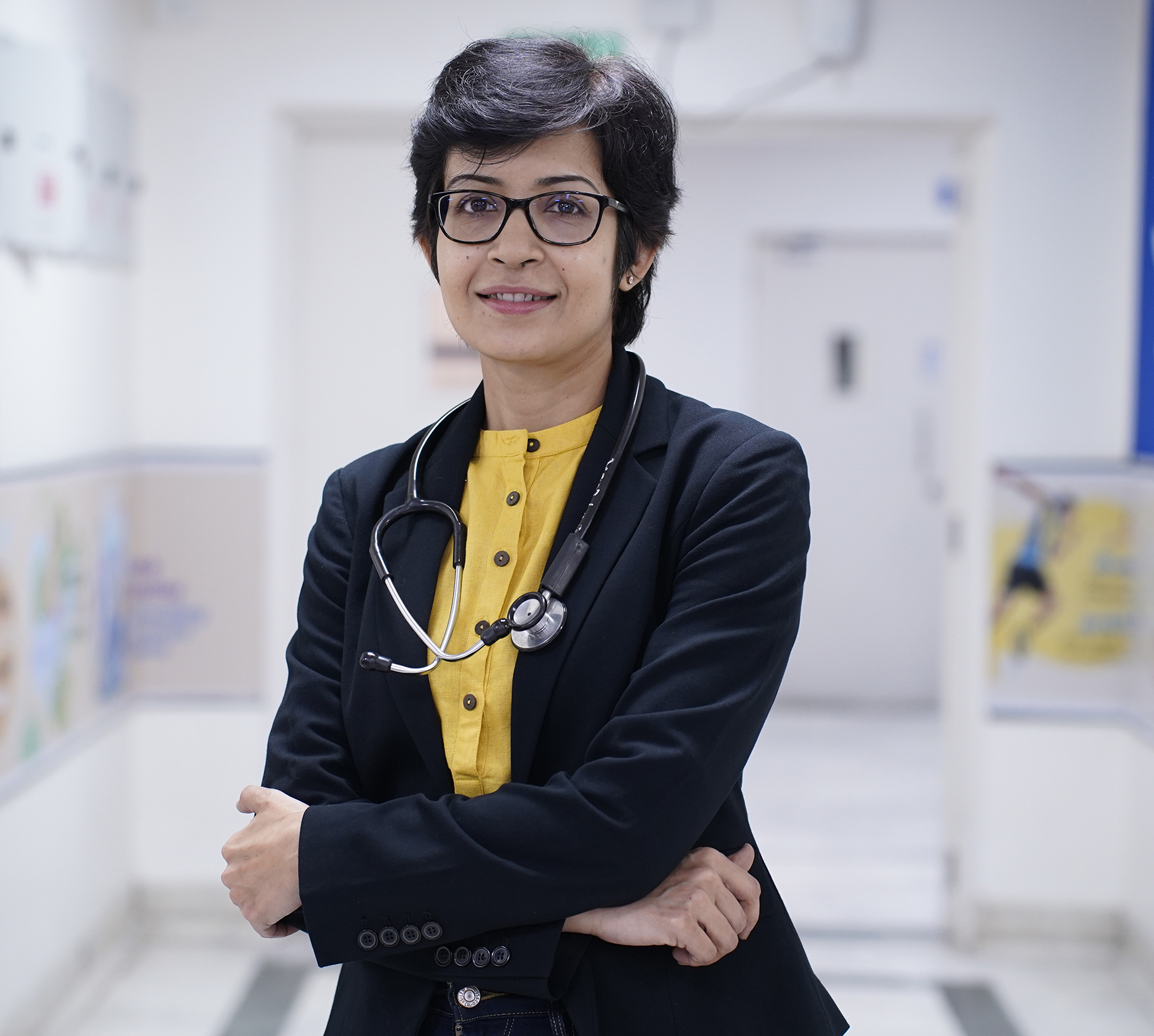
Dr. Debasree Gangopadhyay is a highly respected pediatric cardiologist based in Kolkata, India, specializing in the diagnosis and treatment of heart conditions in children. With a compassionate approach and a commitment to excellence, Dr. Gangopadhyay has made significant contributions to the field of pediatric cardiology. Her expertise includes managing congenital heart defects, arrhythmias, and other cardiovascular conditions in young patients. Dr. Gangopadhyay is dedicated to providing personalized care and staying updated with the latest advancements in pediatric cardiology. She is passionate about educating families on heart health and actively participates in research and community outreach programs.
Comments are closed