


Subtotal $0.00

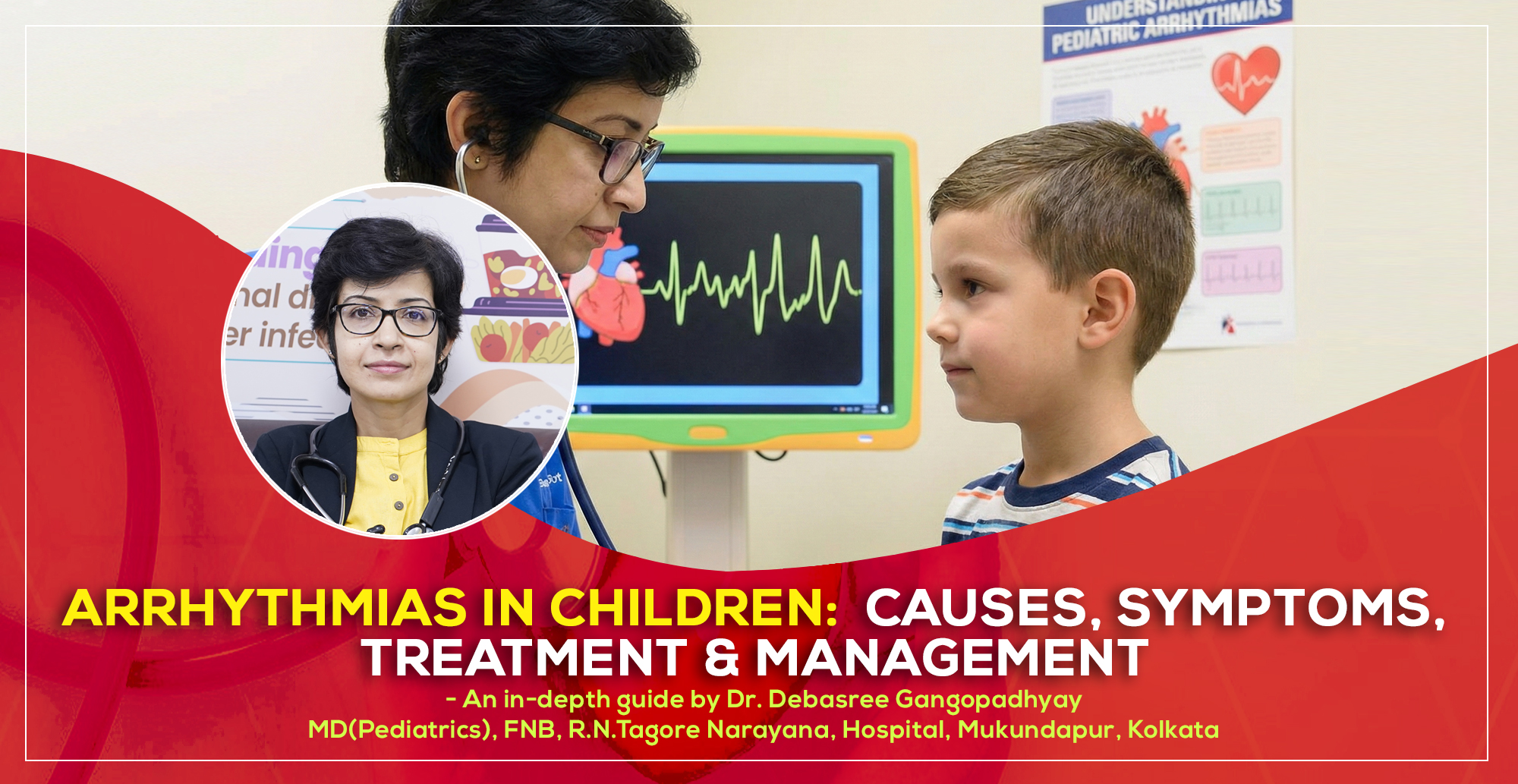
A detailed discussion on ‘Arrhythmias in Children: Causes, Symptoms, Management & Treatment in Kolkata in 2026’ by Dr. Debasree Gangopadhyay, pediatric cardiologist (MD), Narayana Hospital, Mukundapur, Kolkata.
Table of Contents
ToggleIntroduction
Heart rhythm problems are not limited to adults. Children, including newborns and teenagers, can also develop irregular heartbeats, known as arrhythmias. For parents, this disorder can be confusing and frightening, especially when symptoms appear suddenly or without a clear reason. Understanding how and why these rhythm changes happen is the first step toward protecting a child’s heart health.
This blog explains arrhythmias in children in a simple and clear way, covering their causes, common symptoms, and the options available for treatment and management of Arrhythmias. With early diagnosis and the right medical care from an experienced pediatric cardiologist in Kolkata or a trusted child heart doctor in Kolkata, most children with arrhythmias can live healthy, active lives.
Understanding Arrhythmias in Children
What Are Arrhythmias in Children?
Arrhythmia means an abnormal heart rhythm. The heart may beat too fast, too slow, or in an irregular pattern. In children, this happens when the electrical signals that control the heartbeat do not work properly.
A normal heart beats in a steady rhythm to pump blood efficiently. When this rhythm is disturbed, it can affect how well oxygen and nutrients are delivered to the body.
Children’s hearts do not work exactly like adult hearts. Their hearts naturally beat faster, especially in newborns and infants. A newborn’s heart rate can be around 120 to 160 beats per minute, while a teenager usually has a resting heart rate between 60 and 100 beats per minute. This is a normal part of growth.
Problems arise only when the heart rhythm becomes abnormal or starts causing symptoms. In many cases, regular check-ups and treatment are needed, but with proper care, children can grow up healthy, remain active.
Types of Arrhythmias Seen in Children
There are different types of arrhythmias, and their seriousness can vary.
- Tachycardia (Fast Heart Rate): The heart beats faster than normal. Common types include:
- Supraventricular Tachycardia (SVT)
- Atrial flutter
- Ventricular tachycardia (less common but more serious)
Supraventricular tachycardia (SVT) is the most common type in children. During an SVT episode, a child’s heart might suddenly race to 150 to 250 beats per minute. Ventricular tachycardia is less common but more serious. It originates in the lower chambers of the heart and requires immediate medical attention.
- Bradycardia (Slow Heart Rate): The heart beats slower than expected for a child’s age. This may happen due to:
- Heart block
- Problems with the heart’s natural pacemaker
While less common than tachycardia in children, bradycardia can occur due to heart block or other conditions affecting the heart’s electrical system. Some children are born with this condition, while others develop it later.
- Irregular Heart Rhythms: The heartbeat may be uneven or unpredictable, sometimes skipping beats.
A pediatric cardiologist in Kolkata can identify the exact type through proper testing.
Causes of Arrhythmias in Children
Arrhythmias can develop for many reasons. Some are present from birth, while others appear later.
Common causes include the Following:
- Congenital heart defects: Some children are born with structural problems in their hearts. These defects can disrupt the normal electrical pathways, leading to arrhythmias. Conditions like single ventricle. heterotaxy can increase the risk of irregular heartbeats.
- Problems with the heart’s electrical system: The heart beats because of electrical signals that control its rhythm. If these signals do not work properly, the heart may beat too fast, too slow, or irregularly. Some children are born with these electrical problems, while others develop them later.
- Heart surgery in early life: Children who undergo heart surgery at a young age may develop arrhythmias afterward. Surgery can sometimes affect the heart tissue or electrical pathways, leading to irregular heartbeats. Regular follow-up helps in early detection and treatment.
- Infections and inflammation affecting the heart: Viral infections can sometimes cause myocarditis, which is inflammation of the heart muscle. This inflammation can disrupt the heart’s normal rhythm. Even common childhood illnesses can occasionally trigger temporary arrhythmias.
- Electrolyte imbalance: Your heart needs the right balance of minerals like potassium, calcium, and magnesium to function properly. Severe dehydration, eating disorders, or certain medications can throw off this balance and cause arrhythmias.
- Side effects of certain medicines: Some medicines used to treat infections, asthma, or other conditions can affect heart rhythm. These side effects may cause temporary or ongoing arrhythmias. Doctors carefully adjust doses and monitor children to reduce risks.
- Genetic conditions: Certain arrhythmias run in families. Long QT syndrome and other genetic conditions affect the heart’s electrical system. If there’s a family history of sudden cardiac death or arrhythmias, genetic testing might be recommended.
- Severe fever or dehydration: High fever or dehydration can disturb the balance of salts and fluids in the body. This imbalance can interfere with the heart’s normal rhythm and trigger arrhythmias. Treating the fever and restoring fluids often helps the heart return to normal.
In some children, no clear cause is found, and the arrhythmia may still be manageable with regular monitoring.
Symptoms of Arrhythmias in Children
Symptoms can vary based on the child’s age and the type of arrhythmia.
Common Symptoms:
- Fast or pounding heartbeat
- Feeling dizzy or lightheaded
- Shortness of breath
- Chest discomfort
- Fatigue or weakness
- Poor feeding in infants
- Fainting or near-fainting episodes
- Bluish skin or lips in severe cases
Infants may not show clear signs. Parents may notice unusual fussiness, feeding problems, or poor weight gain. If any of these signs appear, it is important to consult a Child Heart Doctor in Kolkata without delay.
How Are Arrhythmias Diagnosed?
Diagnosis involves a combination of medical history, physical examination, and heart tests.
Common Diagnostic Tests:
If your doctor suspects an arrhythmia, several tests can help confirm the diagnosis.
Physical Examination
Your pediatrician will start by listening to your child’s heart with a stethoscope. They’ll check the heart rate and rhythm and look for any signs of heart problems. They’ll also ask detailed questions about symptoms and family history.
Electrocardiogram (ECG)
This is the most common test for arrhythmias. It’s completely painless and takes just a few minutes. The ECG shows the heart’s rhythm and can identify many types of arrhythmias.
Holter Monitor and Event Recorder
Since arrhythmias don’t always happen during a doctor’s visit, your child might wear a portable monitor. A Holter monitor records the heart continuously for 24 to 48 hours. An event recorder is worn for longer periods and your child presses a button when they feel symptoms, capturing the heart rhythm at that moment.
Event monitor: An event monitor is a small device that records the child’s heart rhythm during daily activities. It is used when symptoms like fast heartbeat or dizziness happen occasionally. The device is worn for several days or weeks and records the heart rhythm when the child feels symptoms or when an abnormal beat is detected.
Echocardiography: Echocardiography is an ultrasound test of the heart. It uses sound waves to create images of the heart’s structure and movement. This test helps doctors check heart size, valve function, and blood flow, and see if any structural heart problem is causing the arrhythmia.
Electrophysiology study: An electrophysiology study is a special test that checks the heart’s electrical system in detail. Thin wires are gently guided into the heart through blood vessels to find abnormal electrical pathways. This test helps doctors identify the exact cause of arrhythmia and decide the best treatment option.
A Pediatric Cardiologist in Kolkata uses these tests to decide the severity and best treatment plan.
Treatment and Management of Arrhythmias in Kolkata
Treatment and Management of Arrhythmias depend on the type, cause, and severity of the condition. Not all children need aggressive treatment. Some only require observation.
- Observation and Regular Monitoring: Mild arrhythmias may improve on their own. Doctors may suggest regular check-ups and lifestyle advice.
- Medications: Medicines are often used to:
- Control heart rate
- Restore normal rhythm
- Prevent future episodes
Children must take medicines exactly as prescribed, with regular follow-ups.
- Catheter Ablation: This is a minimally invasive procedure where abnormal electrical pathways are corrected using heat or cold energy. It is commonly used for SVT and has a high success rate in children.
- Pacemaker Implantation: If the heart beats too slowly, a pacemaker may be needed to maintain a healthy rhythm.
- Implantable Cardioverter Defibrillator (ICD): In rare, high-risk cases, an ICD may be recommended to prevent life-threatening rhythms.
The treatment and management of Arrhythmias should always be guided by an experienced child heart doctor in Kolkata.
Lifestyle and Home Care Management
While medical treatments are often necessary, lifestyle plays a supporting role in managing arrhythmias. Ensuring your child stays well-hydrated helps maintain proper electrolyte balance. Regular sleep schedules support overall heart health. Some children need to avoid excessive caffeine, which can trigger palpitations.
For children with exercise-induced arrhythmias, doctors will provide specific guidance about physical activity. Many children with arrhythmias can participate in sports with appropriate precautions and monitoring.
When Should You Consult a Pediatric Cardiologist in Kolkata?
If your child has been diagnosed with an arrhythmia or you’re concerned about their heart rhythm, consulting a pediatric cardiologist in Kolkata is an important step. These specialists have advanced training in children’s heart conditions and can provide expert evaluation and treatment.
You should seek a pediatric cardiologist if your child experiences:
- Sudden fainting
- Severe chest pain
- Difficulty breathing
- Blue discoloration of lips or skin
- Unresponsiveness
Quick action and access to a Pediatric Cardiologist in Kolkata can be lifesaving.
Complaints of chest pain or palpitations that occur frequently warrant specialist evaluation. If there’s a family history of sudden cardiac death or inherited heart conditions, screening by a specialist is recommended even without symptoms.
A pediatric cardiologist is specialized to diagnose and treat childhood arrhythmias accurately. They work closely with your pediatrician to ensure comprehensive care for your child. Parents should also be educated about warning signs that need urgent medical attention.
Long-Term Outlook for Children with Arrhythmias
Many children with arrhythmias lead normal, active lives. With early diagnosis and proper Treatment and Management of Arrhythmias, the long-term outlook is usually positive.
Some children outgrow their condition, while others may need long-term monitoring. Advances in pediatric cardiology have significantly improved safety and success rates of treatments.
Role of a Pediatric Cardiologist in Kolkata
A pediatric cardiologist in Kolkata is specially trained to diagnose and manage heart rhythm problems in children. From newborns to adolescents, they provide age-specific care using advanced diagnostic tools and child-friendly treatment approaches.
If you are searching for a trusted child heart doctor in Kolkata, choose someone experienced in managing pediatric arrhythmias and offering long-term follow-up care.
Kolkata has several excellent medical facilities with experienced child heart doctors. When looking for a child heart doctor in Kolkata, consider their qualifications, experience with pediatric arrhythmias, and the hospital’s facilities.
Conclusion
Arrhythmias in children can sound frightening, but most cases are treatable when diagnosed early. Understanding the causes, recognizing symptoms, and following the right Treatment and Management of Arrhythmias can help children live healthy and active lives.
If your child shows signs of an irregular heartbeat or has been diagnosed with a heart rhythm issue, consult a qualified Pediatric Cardiologist in Kolkata or an experienced Child Heart Doctor in Kolkata for expert guidance and care.
Early attention, proper treatment, and regular monitoring are the keys to protecting your child’s heart health.
FAQs on Arrhythmias in Children
Can children outgrow arrhythmias?
Yes, many children do outgrow certain types of arrhythmias as their hearts mature and develop. Premature beats and some forms of tachycardia often resolve on their own by adolescence or early adulthood. However, this depends on the specific type of arrhythmia, so regular follow-up with your pediatric cardiologist is important to monitor progress.
Are arrhythmias in children always dangerous?
No, most arrhythmias in children are benign and don't pose serious health risks. Premature beats and occasional irregular rhythms are very common and usually require no treatment. However, some arrhythmias can be serious, which is why proper evaluation by a specialist is important to determine the specific type and whether treatment is needed.
Can my child with an arrhythmia play sports?
Many children with arrhythmias can participate in sports and physical activities with appropriate guidance from their cardiologist. The level and type of activity allowed depends on the specific arrhythmia and its severity. Some children might need certain restrictions, while others can participate fully with monitoring and precautions in place.
How often does my child need follow-up appointments for an arrhythmia?
Follow-up frequency varies based on the type and severity of the arrhythmia. Children with benign arrhythmias might only need annual check-ups, while those with more complex conditions or those on medication might require frequent visits. Your pediatric cardiologist will create a personalized monitoring schedule for your child.
Disclaimer: This article is for informational purposes only and does not constitute medical advice. Always consult with a qualified cardiac specialist for diagnosis and treatment related to your personal health condition.
Read Also:
- Patent Ductus Arteriosus (PDA): Causes, Symptoms and Treatment in Kolkata
- Rheumatic Heart Disease in Kids: Prevention and Care
- Congenital Heart Valve Defects: Early Signs and Modern Solutions
- Heart Valve Problems in Kids: Symptoms, Diagnosis, and Treatment (2026)
- Ventricular Septal Defect (VSD) in Children – Symptoms, Causes, Types & Treatments in 2025
- Understanding Heart Valve Disease in Children: A Parent’s Guide in 2025
- Atrial Septal Defect (ASD) – Symptoms, Causes, Types & Treatments in 2025
- Common Heart Conditions in Children: A Doctor’s Guide in 2025
- How Safe Are Cardiac Catheterization Procedures for Children in 2025?
- Essential Guide to Newborn Heart treatment in Kolkata in 2025
- Comprehensive Pediatric Heart Check Up: What’s Included & Why it’s Worth It

Dr. Debasree Gangopadhyay is a highly respected pediatric cardiologist based in Kolkata, India, specializing in the diagnosis and treatment of heart conditions in children. With a compassionate approach and a commitment to excellence, Dr. Gangopadhyay has made significant contributions to the field of pediatric cardiology. Her expertise includes managing congenital heart defects, arrhythmias, and other cardiovascular conditions in young patients. Dr. Gangopadhyay is dedicated to providing personalized care and staying updated with the latest advancements in pediatric cardiology. She is passionate about educating families on heart health and actively participates in research and community outreach programs.
Comments are closed